Fabric Science2026-03-0810 min read
Moisture Management 101: A Brand Owner's Guide to Sourcing Performance Fabrics
Karl XiaoFactory Production Director
Part of the The Fiber Lab series
Part of the The Fiber Lab series
Ever wonder why customers return underwear complaining it feels "damp" or "uncomfortable"? The answer lies in moisture management—and it's directly impacting your return rates and customer reviews.
As a brand owner, you need to understand that absorption alone isn't enough. Cotton is exceptional at absorbing sweat, but poor at releasing it. Modal combines natural comfort with engineered capillary action that transports moisture away from skin and speeds up evaporation.
For intimate apparel and activewear brands, this difference matters. Underwear that traps moisture creates an unhealthy microclimate—damp, warm, and conducive to bacterial growth. The result? Negative reviews, returned products, and customers who don't come back.
For a deep dive into the science, read our original guide: Moisture Management 101: Natural vs. Synthetic Fibers
The key principles:
When sourcing underwear or activewear, you need to look beyond "natural fiber" marketing. Consider the full moisture management equation: Absorption + Wicking Speed + Evaporation Rate = Comfort.
Best for: Light activity, cool climates, budget-conscious lines Cost: $2-4/kg Pros: Natural marketing appeal, excellent initial absorption Cons: Traps moisture, slow drying, higher return rates in active wear
Best for: Premium underwear, activewear, humid climates Cost: $4-6/kg Pros: Superior wicking, 50% faster drying, luxury hand-feel Cons: Higher material cost, requires supplier verification
Best for: Performance athletic wear, high-intensity activities Cost: $3-5/kg Pros: Maximum moisture transport, quick-drying, durable Cons: Less natural appeal, potential odor retention, oil-based
Not all factories can handle moisture-wicking fabrics equally. When vetting manufacturers, ask about:
Industry data shows that dampness complaints account for 23% of underwear returns. Here's the breakdown:
The lesson: Investing $0.25 more per garment in Modal can save you $4,500 in returns—while enabling premium pricing.
When creating your tech pack for moisture-managing underwear, include these specifications:
Fabric Composition:
Performance Standards:
Testing Requirements:
When evaluating samples or factory capabilities, watch for:
Warning Signs of Moisture Management Issues:
Understanding how factories handle moisture-wicking fabrics helps you communicate requirements and avoid misunderstandings.
Timeline: 1-2 weeks
Always request the fabric mill's certificate of analysis, not just the fabric supplier's invoice. Certified Modal from Lenzing will have a lot number and verification code. Non-certified "modal-like" fabrics are often just regular viscose with inferior moisture management.
Timeline: 1-2 weeks
Timeline: 1 week
Timeline: 2-4 weeks (depending on quantity)
When communicating with factories about moisture management, use these industry terms:
Don't assume fabric performs as promised. Verify with these tests:
Visual Wicking Test:
Absorption Test:
Drying Test:
Use this framework when deciding on moisture management strategy for your line:
Budget Line ($8-12 retail):
Mid-Tier Line ($15-25 retail):
Premium Line ($30+ retail):
Reality: Cotton is natural but poor at moisture management. Modal is semi-synthetic but outperforms cotton in comfort.
Solution: Focus on performance and testing, not just "natural" marketing claims.
Reality: Sweat concentrates in specific zones (gusset, underband). If entire garment is same fabric, you're overpaying or underperforming.
Solution: Specify moisture-wicking panels only where needed (gusset, crotch).
Reality: Dampness complaints are your #1 return driver. Ignoring this costs you thousands.
Solution: Track returns by reason, calculate ROI of fabric upgrade, invest in moisture management.
Reality: Many factories claim to work with "performance fabrics" but lack testing equipment and expertise.
Solution: Ask for AATCC/ISO test reports, verify fabric mill certificates, audit QC procedures.
For DTC underwear brands, moisture management isn't just a technical detail—it's a competitive advantage and retention driver.
When you get it right:
When you get it wrong:
Don't let poor moisture management kill your brand's reputation. Whether you're launching a new line or optimizing an existing one, understanding fabric performance and manufacturing capabilities is critical to reducing returns and building customer loyalty.
Get Expert Guidance:
Contact Us to Request Your Free Fabric Swatch Pack
Sources: This B2B guide is based on textile engineering research (AATCC 195, ISO 11092 standards), Modal fiber technical specifications from Lenzing AG, industry return rate analysis from DTC underwear brands, and comparative manufacturing cost analysis from China supply chain partners.
Deep dive into fabric composition, properties, and performance at the microscopic level
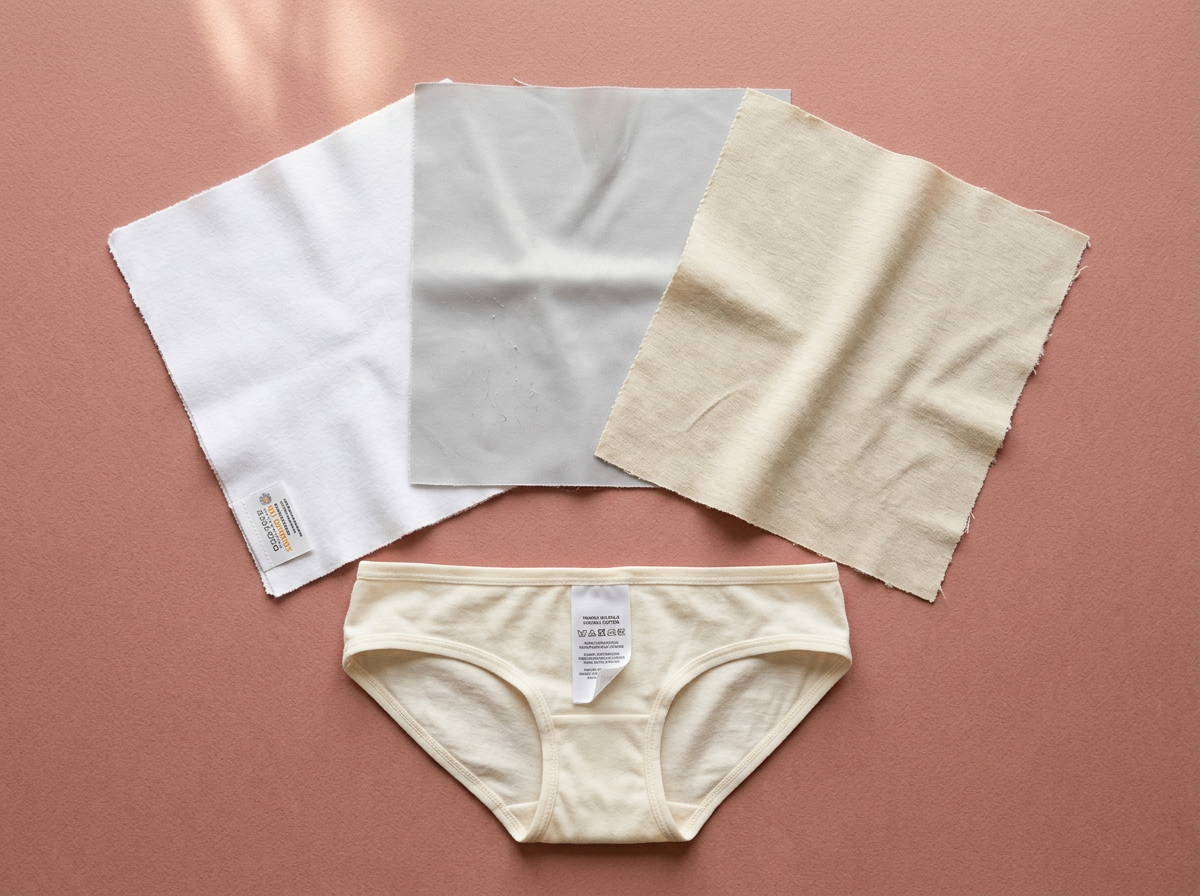
That recurring rash below your waistline. The itch that will not go away. The red marks where your underwear elastic sits. "Underwear rash" and "underwear irritation" searches have grown steadily as consumers discover their underwear may be the hidden cause of skin problems. We analyzed the four fabric-skin interaction mechanisms — bacterial microclimate, chemical contact dermatitis, pressure dermatitis, and antibacterial treatment sensitivity — with test data across 30+ brands.
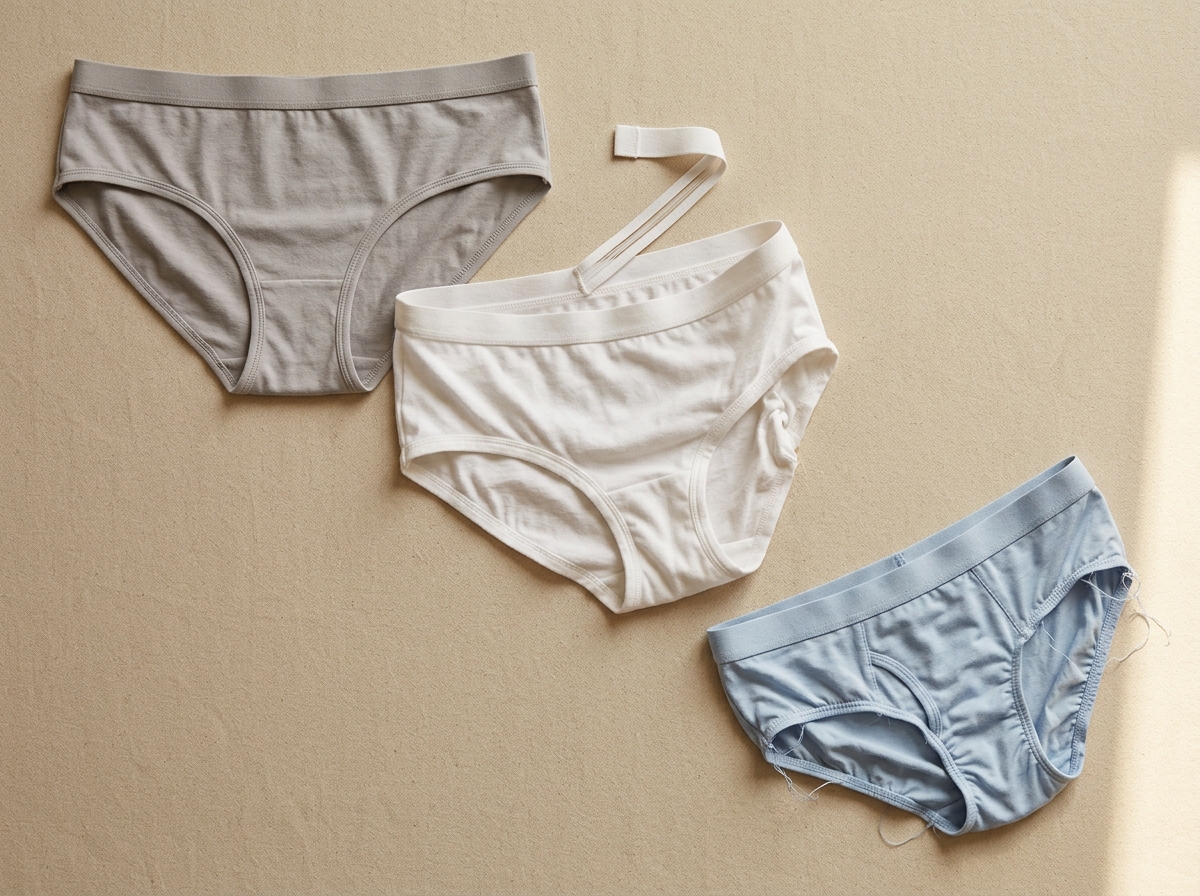
You adjust your underwear five times before lunch. The waistband rolls, the legs ride up, and everything bunches in the wrong places. "Why does my underwear keep riding up" is one of the most searched underwear complaints globally. We break down the four scientific causes — elastic recovery degradation, rise-torso mismatch, leg opening geometry, and fabric stretch ratio — and provide body-type-specific solutions based on testing across 30+ brands.
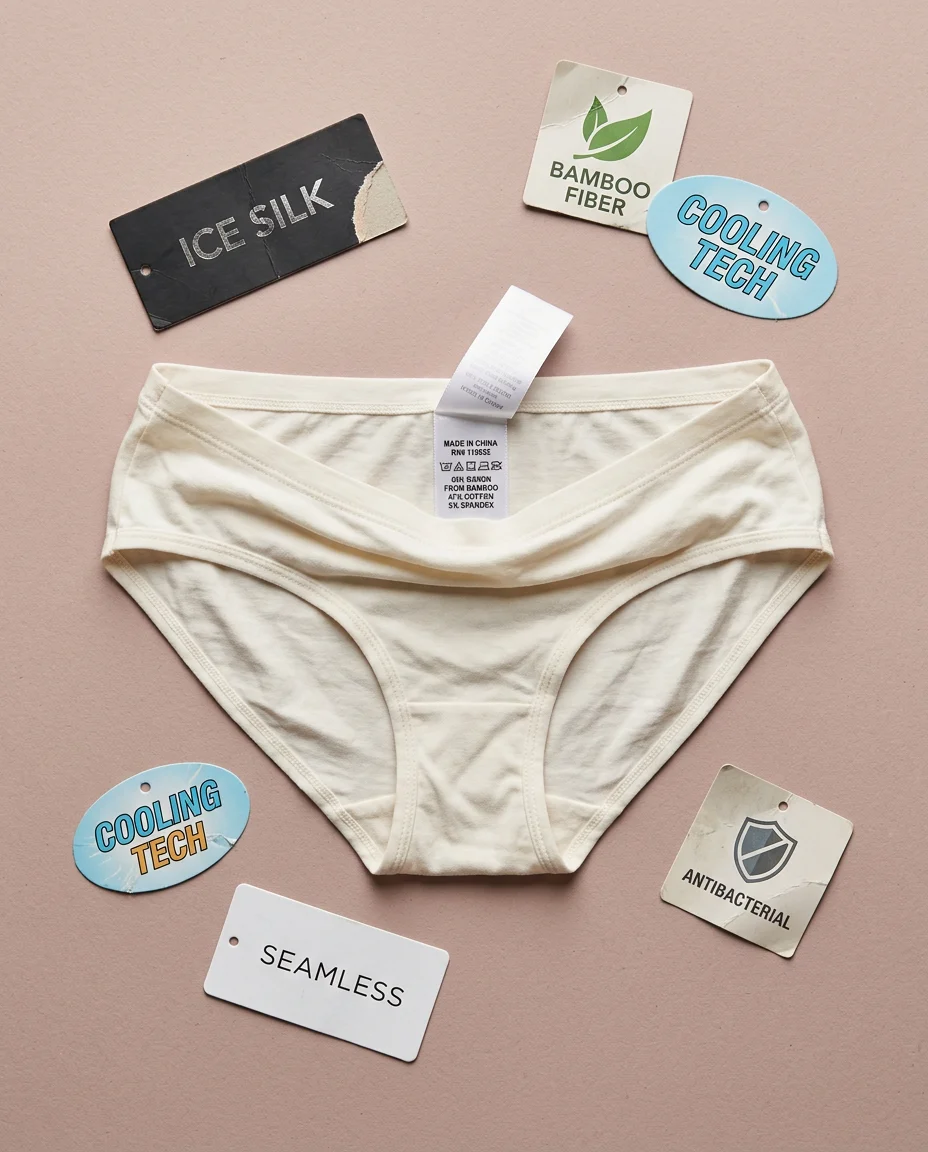
Your underwear label says "ice silk," "bamboo fiber," "seamless," "cooling technology," and "antibacterial." Three of those five terms do not mean what you think they mean. We deconstructed each marketing claim against published fiber science data and found a consistent pattern: the most expensive-sounding terms describe the cheapest materials.