Complete Guide to Underwear Fabric Science
Master fabric technology, testing standards, and material innovation for premium underwear manufacturing
Expert Knowledge
Industry-leading insights on fabric technology
Quality Standards
ISO-certified testing methodologies
Proven Results
Real-world manufacturing applications
Why Fabric Science Matters for Your Brand
Understanding fabric science is the foundation of creating premium underwear that customers love and that performs consistently wash after wash. From moisture management to color fastness, every technical detail impacts comfort, durability, and customer satisfaction.
As a professional apparel manufacturer, we've compiled our decades of experience into this comprehensive guide. Whether you're a brand owner sourcing materials or a consumer understanding what makes quality underwear, these articles provide the technical knowledge you need.
Comprehensive Fabric Science Guide
Deep dive into fabric technology, testing standards, and manufacturing insights
Why Cotton Absorbs Sweat But Dries Slowly
Cotton is nature's sponge—its hydrophilic (water-loving) cellulose structure gives it exceptional absorption capacity. A single cotton fiber can absorb up to 25 times its weight in water. This makes cotton excellent at initially capturing sweat. But here's the problem: cotton is too good at holding on to that moisture.
- Absorption: Cotton fibers swell and trap water INSIDE their hollow structure
- Problem: Once absorbed, water has nowhere to go—it 's locked inside the fiber
- Result: Fabric feels damp, heavy, and clings to skin
- Drying: Evaporation can only happen from the surface, but water is trapped inside
Imagine cotton fibers as tiny hollow tubes that fill up with water like a drinking straw. Once full, the water stays trapped until it slowly evaporates. During physical activity, cotton becomes saturated quickly—leaving you wearing a damp, heavy garment that feels uncomfortable and takes hours to dry completely.
As a professional apparel manufacturer, we see many brands struggle with moisture management complaints. The issue isn't just fiber choice—it's proper testing and specification. We recommend AATCC 195 and ISO 11092 testing for all moisture-management fabrics to ensure performance claims are verified.
What is Capillary Action?
Capillary Action is the physical phenomenon that enables moisture-wicking fabrics to transport sweat away from your skin. It's the same principle that allows a paper towel to absorb a spilled drink or water to climb up a glass tube against gravity.
In textiles, capillary action occurs through the tiny spaces between fibers. These microscopic channels act like capillaries, pulling moisture along through surface tension and moving it from areas of high concentration (your sweaty skin) to areas of low concentration (the fabric surface).
How It Works in Fabric:
- Sweat reaches skin surface → Moisture concentration is highest at skin
- Capillary channels engage → Tiny spaces between fibers create suction
- Moisture moves along fibers → Water travels FROM skin → THROUGH fabric → TO surface
- Surface evaporation → At the outer surface, moisture evaporates into air
- Continuous cycle → As long as there's sweat, capillary action keeps pulling it away
Why Modal Outperforms Cotton
Modal is a semi-synthetic cellulose fiber made from beechwood pulp. Like cotton, it's derived from natural plant cellulose—but it's engineered at the molecular level for superior performance. Modal achieves what cotton cannot: it absorbs moisture and releases it efficiently.
The Modal Advantage:
Finer Fiber Diameter
1dtex vs cotton's 1.5-2.5dtex = MORE capillary channels for faster wicking
50% Higher Absorption
Modal absorbs significantly more moisture than cotton by weight
Smoother Surface
Less friction = moisture glides along fibers faster
Better Breathability
Open structure allows air circulation for faster drying
The secret lies in Modal's fiber structure. Because Modal fibers are 50% finer than cotton, they create more and smaller capillary channels. More capillaries mean more surface area for moisture transport—and faster wicking.
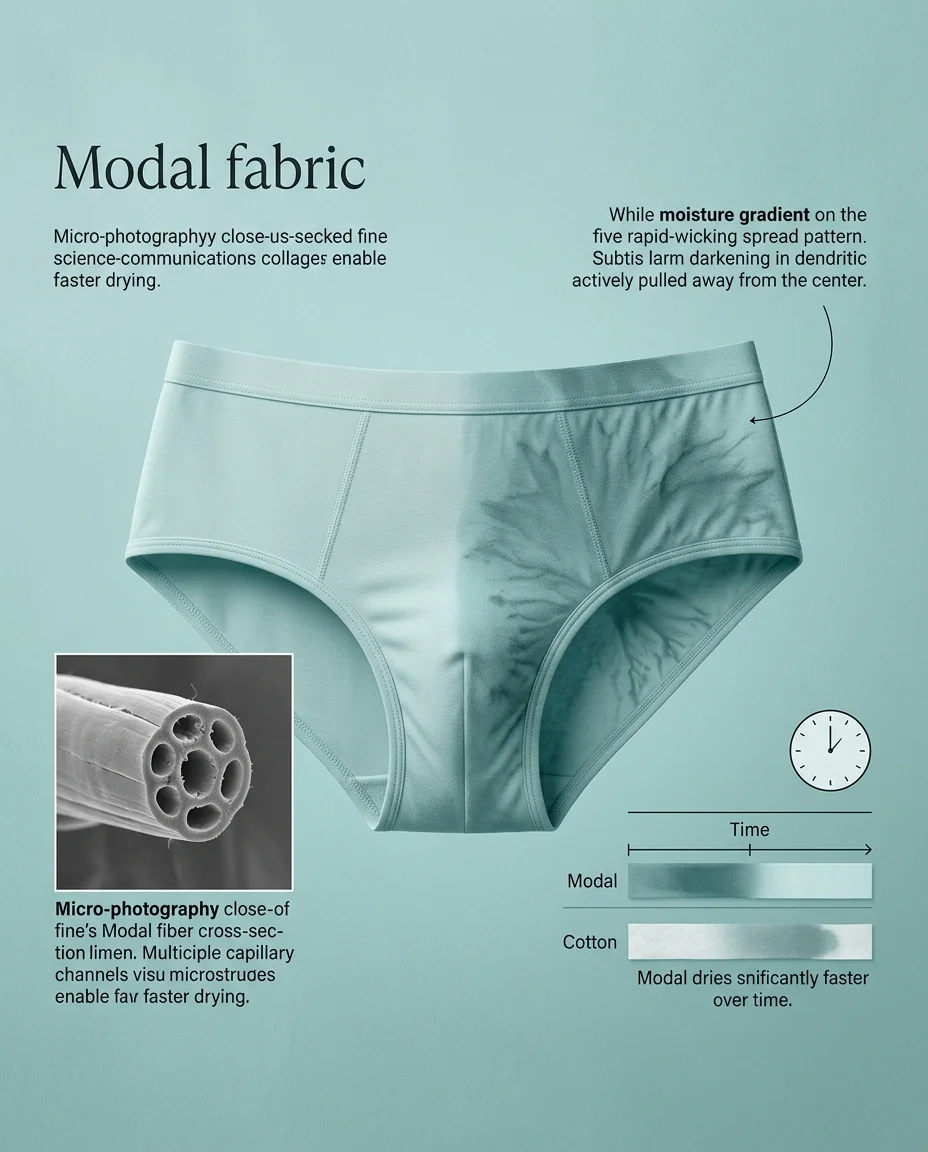
We've tested Modal fabrics with 50% higher moisture absorption rates than cotton in our laboratory. The key is sourcing Lenzing™ Modal or equivalent high-purity Modal. Cheap alternatives often blend in standard viscose, which dramatically reduces performance.
Key Takeaway:
Cotton absorbs sweat but won't let go—leaving you damp. Modal absorbs AND releases moisture through capillary action, keeping you dry and comfortable. For underwear that manages sweat effectively, Modal (or other regenerated cellulose fibers) outperforms cotton by design, not accident.
The Cotton Myth: Why 100% Cotton Fails
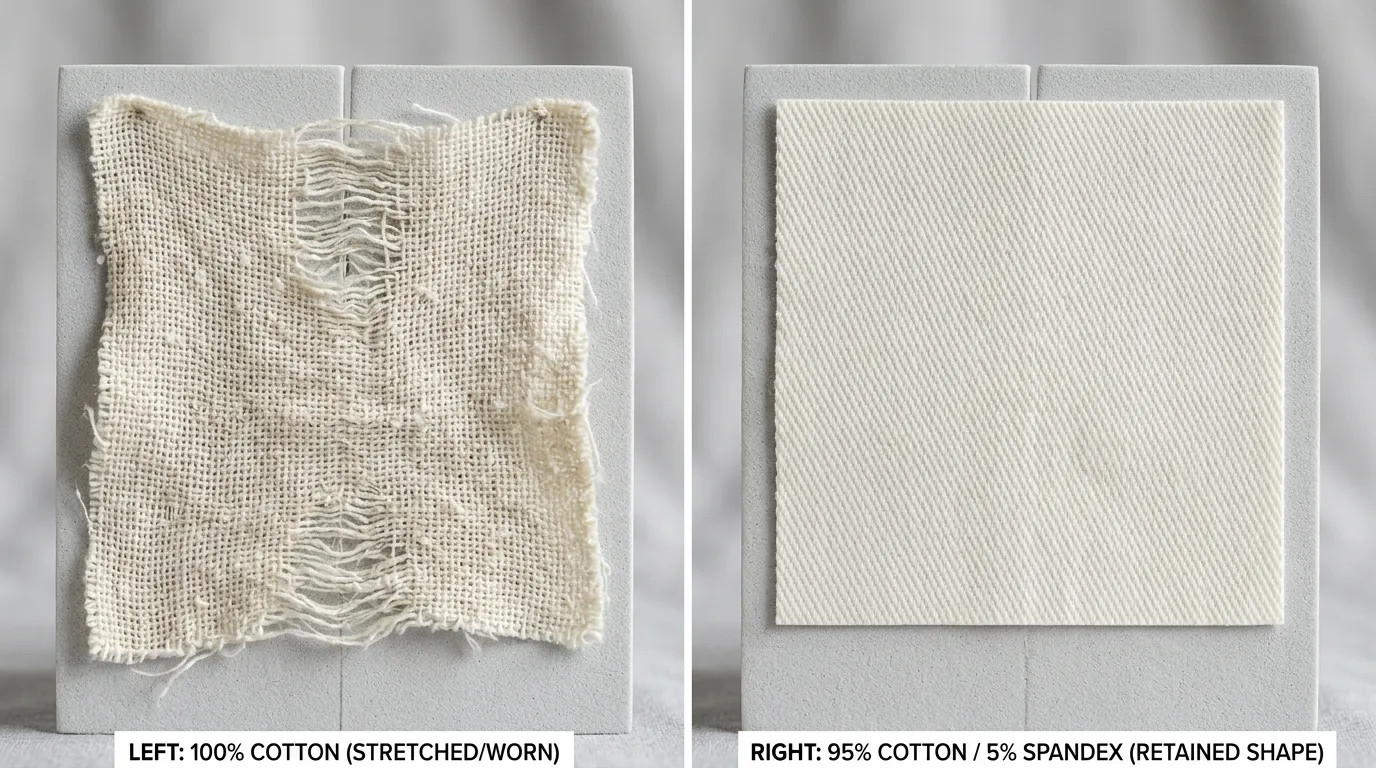
There's a persistent belief that "100% cotton" equals superior quality. It's natural, breathable, and feels soft against the skin. But here's the uncomfortable truth: cotton has zero elasticity. A cotton fiber is like a rigid rope—it can stretch slightly under force, but it doesn't snap back. Once cotton fabric is extended, it remains in that deformed state.
- Zero Elastic Recovery: Cotton fibers don't return to their original length after stretching
- Bagging: Fabric permanently expands from daily movement (sitting, walking, bending)
- Wear Deformation: After just a few hours, underwear loses its fit and becomes baggy
- Wash Sagging: Each wash cycle further relaxes the fabric structure
- Comfort Trade-off: To compensate, manufacturers cut 100% cotton underwear larger—resulting in a sloppy, unsupported fit from day one
Imagine cotton fibers as tiny, inflexible wires woven together. When you move, your body stretches this wire mesh. The wires bend and shift, but they have no "desire" to return to their original position. The result? Underwear that gradually transforms from a snug, supportive fit into a loose, saggy garment that offers zero compression or support.
As a professional apparel manufacturer, we recommend ASTM D3107 stretch testing for all elastic fabrics. Many suppliers claim "5% spandex" but use inconsistent elastic modulus. We verify every batch with laboratory testing to ensure consistent recovery performance.
Shape Retention: The Science of Fabric Memory
Shape Retention is a textile property that describes a fabric's ability to return to its original dimensions after being stretched, compressed, or deformed during use. It's essentially "fabric memory"—the capacity to remember and recover its intended shape.
How Shape Retention Works:
- Fabric at rest → Underwear maintains original cut and dimensions
- Body movement stretches fabric → Sitting, bending, walking extend the material beyond resting state
- Cotton-only: Permanent deformation → Fibers shift and don't return, creating baggy areas
- Spandex blend: Elastic recovery → Spandex fibers contract, pulling cotton back to original shape
- Shape retention achieved → Underwear maintains fit throughout the day and after washing
Enter Spandex: The Memory Fiber
Spandex (also called elastane or sold under the brand name Lycra) is a synthetic elastic fiber invented in 1958. A single spandex fiber can stretch up to 500-800% of its original length and still return to its exact starting dimension with near-perfect recovery.
Here's the key insight: spandex is woven together with cotton fibers, not added as a separate layer. The spandex fibers form an elastic network within the fabric structure. When you move, both cotton and spandex stretch together. But when you stop moving, the spandex fibers contract—pulling the cotton fibers back to their original position. This creates the "shape memory" effect.
We source covered spandex yarn (280-320 denier) for durability. Cheap elastic degrades quickly from sweat and detergent, causing bagging after 20-30 washes. Premium elastic maintains 95%+ recovery even after 100 wash cycles.
The Elasticity Equation: Finding the Sweet Spot
The ideal underwear fabric balances stretch (ability to extend) with recovery (ability to return). This is the elasticity equation:
Stretch + Recovery = Comfort + Shape Retention
Too little stretch (0% spandex), and fabric feels restrictive and deforms permanently. Too much stretch (10%+ spandex), and fabric feels synthetic, loses breathability, and can create uncomfortable compression. The sweet spot lies at 5% spandex.
| Spandex Content | Stretch % | Recovery Rate | Feel | Shape Retention | Best Use |
|---|---|---|---|---|---|
| 0% (100% Cotton) | ~5% (fiber only) | Poor (permanent bagging) | Natural but rigid | ❌ Fails within hours | Static garments, non-underwear |
| 2-3% | ~15-25% | Fair (some bagging) | Mostly natural | ⚠️ Moderate (deforms by day's end) | Casual wear, loungewear |
| 5% (Industry Standard) | ~30-50% | Excellent (95%+ recovery) | Natural with support | ✅ Excellent (all-day comfort) | Underwear, activewear, premium intimates |
| 8-10% | ~50-70% | Excellent | Increasingly synthetic | ✅ Excellent | Compression garments, swimwear, shapewear |
| 15%+ | ~100%+ | Outstanding | Very synthetic, rubbery | ✅ Outstanding | Performance athletic wear, cycling gear |
At 5% spandex, you get the Goldilocks zone: substantial stretch for comfort (30-50%), excellent recovery for shape retention (95%+), and the fabric retains 95% cotton's natural feel and breathability. Higher spandex content increases synthetic feel without proportional benefit—while 5% provides optimal elasticity equation balance.
Key Takeaway:
Pure cotton lacks elasticity and suffers from permanent deformation. Adding just 5% spandex creates perfect shape memory—underwear that stretches when you move but returns to its original fit, maintaining comfort and support throughout the day and after countless washes.
What is Color Fastness Grade?
Color Fastness Grade is a standardized measurement (rated 1-5) that quantifies how well fabric retains its color when exposed to various conditions like washing, rubbing, light, and perspiration. This isn't arbitrary—it's governed by ISO 105, the international standard for textile color fastness testing that's used in every major garment manufacturing region.
- Grade 5: No color change (Excellent – premium standard)
- Grade 4: Slight color change, barely noticeable (Good – acceptable for underwear)
- Grade 3: Noticeable color change (Fair – acceptable for outerwear only)
- Grade 2-1: Significant to severe color change (Poor – unacceptable)
Industry Standard: For underwear, Grade 3-4 is the minimum acceptable. Grade 4-5 indicates premium quality. Many low-cost manufacturers cut corners with Grade 2-3 dyes that look vibrant initially but degrade quickly.
Why Dark Underwear Demands Higher Color Fastness
Here's something many buyers don't realize: dark colors require significantly more dye than light colors. A deep black or rich burgundy underwear might contain 3-5 times more dye concentration by weight compared to a pastel or white garment.
More dye means greater potential for migration. When dye molecules aren't properly bonded to the fiber (indicating low color fastness), that excess dye has nowhere to go but into whatever contacts the fabric—water in the wash, friction from movement, and yes, your skin.
As a professional apparel manufacturer, we specify reactive dyes (not direct dyes) for all dark underwear and require Grade 4-5 on ISO 105-E04 perspiration testing. Reactive dyes cost $0.25-0.40 more per kg but prevent dye migration complaints. Cheap dyes look vibrant initially but fail sweat testing.
The Dye Load Factor:
White/Pastel Underwear: ~15% dye concentration
Lower migration risk even with moderate fastness
Dark/Rich Colors: ~75% dye concentration
Requires Grade 4-5 to ensure dye molecules stay locked in
The Hidden Health Risk: How Sweat Releases Dye
This is where color fastness transitions from an aesthetic concern to a health concern. The mechanism is surprisingly simple chemistry:
The Sweat-Solvent Mechanism:
- Sweat acts as a solvent → Human sweat (pH 4.0-6.8) contains salts, amino acids, and lactic acid that can break weak chemical bonds
- Dye molecules detach → Poor color fastness means dye is only weakly attached. Sweat provides the chemical energy to break those bonds
- Skin absorbs the dye → The intimate area has high absorption rates. Once dye contacts skin, it doesn't just wash off
- Long-term exposure risk → You wear underwear 8-16 hours daily. Low-level chemical exposure accumulates over months and years
Critical Insight: This is why ISO 105-E04 (Perspiration Fastness) exists. It simulates both acidic and alkaline sweat to test whether dye will release during normal wear. Many cheap garments pass wash tests but fail perspiration tests—meaning they're fine in the laundry but potentially problematic against your skin.
Reactive vs Direct Dyes: The Chemical Difference
The type of dye used makes all the difference in color fastness performance:
Reactive Dyes (Premium Quality):
- Form covalent bonds with fiber molecules
- Virtually permanent—becomes part of the fiber structure
- Grade 4-5 color fastness consistently
- Higher cost but essential for dark underwear
Direct Dyes (Budget Quality):
- Rely on weak physical adhesion to fibers
- Easily broken by sweat, friction, and washing
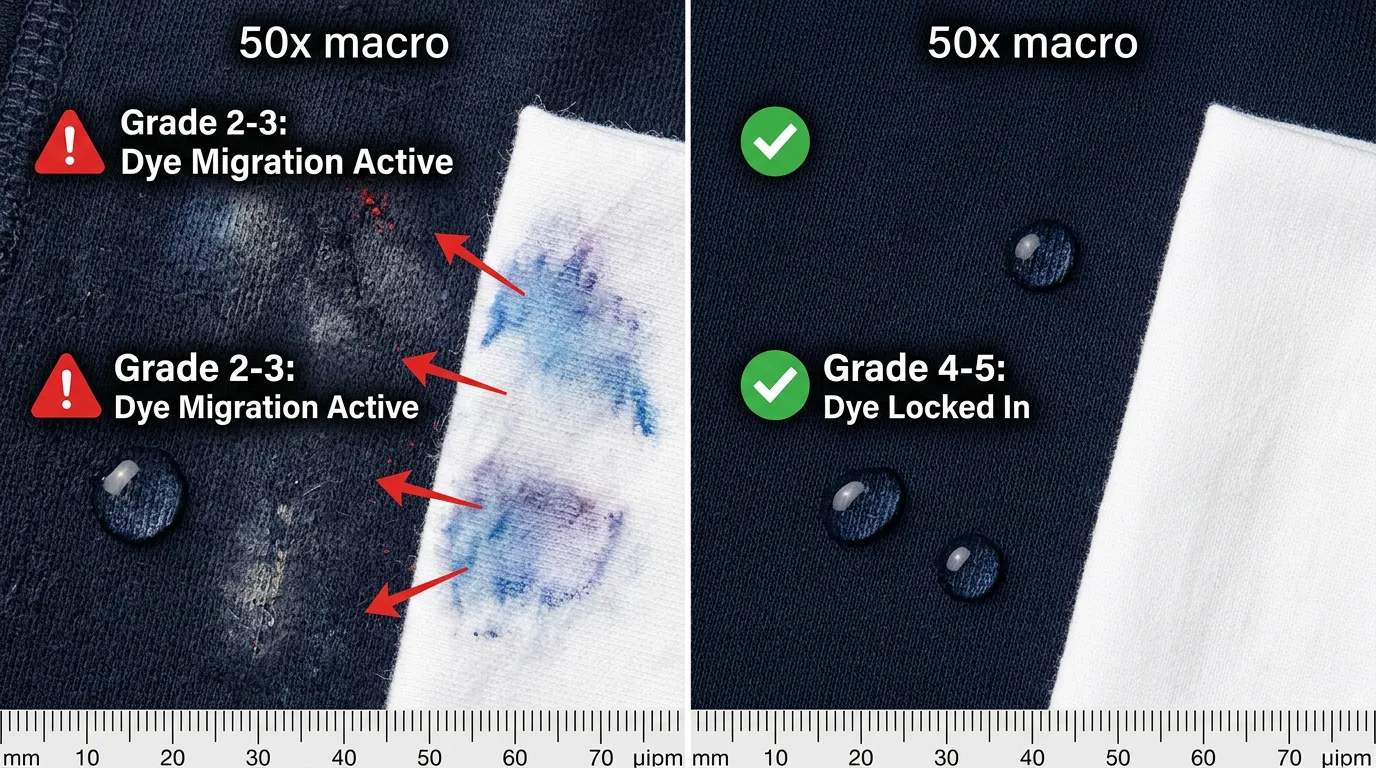
- Typically Grade 2-3 color fastness
- Lower cost but higher risk of dye migration
We've tested dark underwear samples from various suppliers. Direct-dyed garments often show visible dye transfer to white test cloths after just 30 minutes of perspiration simulation. Reactive-dyed samples show no transfer even after 4 hours. The difference is chemical, not cosmetic—and it matters for intimate wear.
Key Takeaway:
Color fastness isn't just about preventing fading—it's about preventing chemicals from migrating onto your skin. Dark underwear requires premium reactive dyes with Grade 4-5 fastness to ensure dye molecules stay locked in the fabric, not released into your body. For intimate wear, color fastness is a health specification, not just a quality claim.
What is Pilling?
Pilling is the formation of small, tangled fiber balls on a fabric's surface. It occurs when loose fibers are pulled to the surface through friction, then entangle with each other to form those characteristic little pills. The process happens in three distinct stages:
- Fuzzing: Fibers loosen and migrate to the fabric surface from friction
- Entangling: Loose fibers wrap around each other, forming small knots
- Ball Formation: Continued friction tightens knots into visible pills
Once pills form, they trap more loose fibers, growing larger and more noticeable. This creates a rough texture that causes irritation and makes garments look worn and aged—regardless of their actual age.
Key Terminology:
- Pilling: Formation of fiber balls on fabric surface from friction
- Abrasion Resistance: Fabric's ability to withstand surface wear from rubbing
- Fuzzing: Initial stage where fibers loosen and create a fuzzy surface
The Martindale Abrasion Test: The Gold Standard
How do manufacturers ensure fabrics won't pill? The answer lies in a laboratory test called the Martindale Abrasion Test—the internationally recognized standard for evaluating fabric pilling resistance (ASTM D4970, ISO 12945-2). This test simulates years of wear in just hours.
How It Works:
Test Method
Lissajous (figure-8) motion simulates multi-directional friction
Sample Size
38mm circular fabric specimens mounted on holders
Applied Pressure
9kPa standard weight (varies by fabric type)
Test Cycles
5,000-20,000+ rubs depending on end use
The Lissajous Pattern:
The genius of the Martindale test is its movement pattern. Instead of simple back-and-forth rubbing, the test specimen moves in a Lissajous figure-8 pattern. This complex motion simulates the random, multi-directional friction that fabrics experience in real life—from walking, sitting, and movement. No single direction gets preferential wear, exactly like actual use.
- Simulates thigh friction from walking and movement
- Tests both pilling and surface wear simultaneously
- Internationally standardized for comparable results
- Correlates strongly with real-world pilling performance
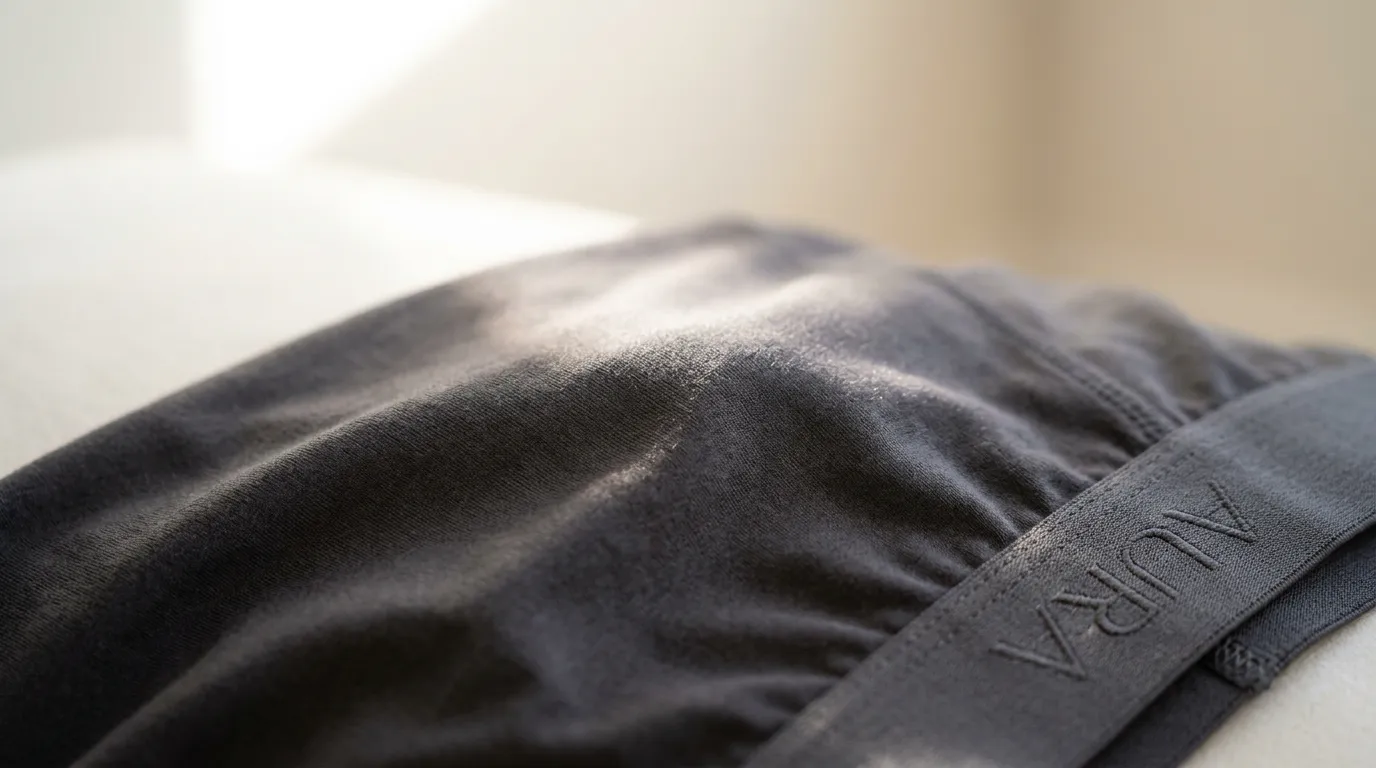
As a professional apparel manufacturer, we require minimum Grade 4 on Martindale pilling test after 5,000 cycles for all underwear fabrics. Many suppliers skip this test or accept Grade 2-3. We test every fabric batch and reject anything below Grade 4. Pilling is the #3 cause of underwear returns—it's worth the testing cost.
Pilling Grades: What the Numbers Mean
Martindale test results are rated on a scale of 1-5, with Grade 5 being completely pilling-free:
Pilling Grade Scale:
- Grade 5: No pilling (Excellent – premium underwear standard)
- Grade 4: Slight pilling, doesn't affect appearance (Good – acceptable quality)
- Grade 3: Moderate pilling, visible pills (Fair – budget quality)
- Grade 2: Severe pilling (Poor – unacceptable)
- Grade 1: Very severe pilling (Very Poor – fabric failure)
Fiber Quality: The Root Cause of Pilling
Pilling isn't bad luck—it's bad fiber selection. Premium fibers resist pilling through superior strength and smoothness:
Modal (Pilling Resistant):
- Extra-long fiber length (50mm+ vs cotton's 25-30mm)
- Smoother surface reduces friction between fibers
- Higher tensile strength resists breaking
- Grade 4-5 Martindale rating consistently
Cotton (Pilling Prone):
- Shorter fibers break easily from friction
- Rougher surface creates more fiber-to-fiber abrasion
- Lower tensile strength leads to fiber breakage
- Typically Grade 2-3 Martindale rating
We've conducted side-by-side Martindale testing on cotton vs Modal underwear fabrics. After 5,000 cycles, cotton samples showed Grade 2-3 pilling with visible fiber balls. Modal samples maintained Grade 4-5 with smooth surfaces. The difference is fiber physics, not processing—premium fibers resist pilling at the molecular level.
Abrasion Resistance vs Pilling: Related but Different
While related, these two properties measure different aspects of fabric durability:
- Pilling Resistance: Measures fiber balls forming on surface (aesthetic quality)
- Abrasion Resistance: Measures fabric weight loss from rubbing (durability/thickness retention)
For underwear, both matter. A fabric that resists pilling but wears thin quickly will fail prematurely. Modal excels at both—maintaining smooth appearance AND fabric thickness through thousands of wash cycles.
Key Takeaway:
Pilling is preventable with proper fiber selection and testing. Modal 's extra-long fibers and smooth surface resist the fuzzing-entangling-ball formation cycle. Combined with Martindale testing to verify Grade 4-5 performance, premium underwear stays smooth, comfortable, and looking new—long after budget cotton has deteriorated into a pilled, rough mess.
Explore Fabric Science Topics
Deep dive into each aspect of fabric technology and testing
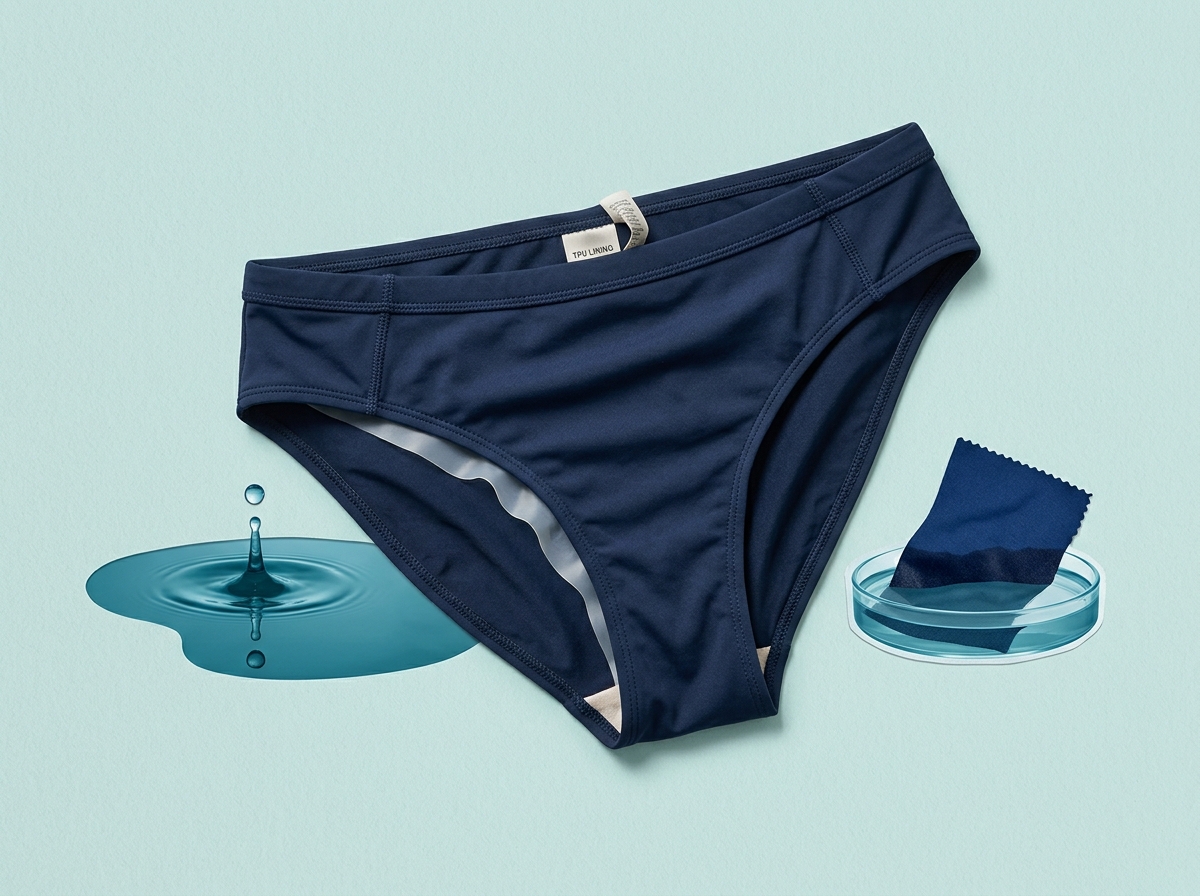
Swim Period Underwear: How Waterproof Technology Works in Water (2026)
"Swim period underwear" searches rose 40% in Q1 2026, with "period swimwear" hitting search interest 11. But most guides simply say "yes, you can swim on your period" without explaining why regular period underwear fails in water, how TPU waterproof membranes behave under hydrostatic pressure, or what chlorine and saltwater actually do to absorbent fibers. We deconstruct the waterproof technology, compare pool vs. ocean performance, and give you the data to choose the right product for water activities.
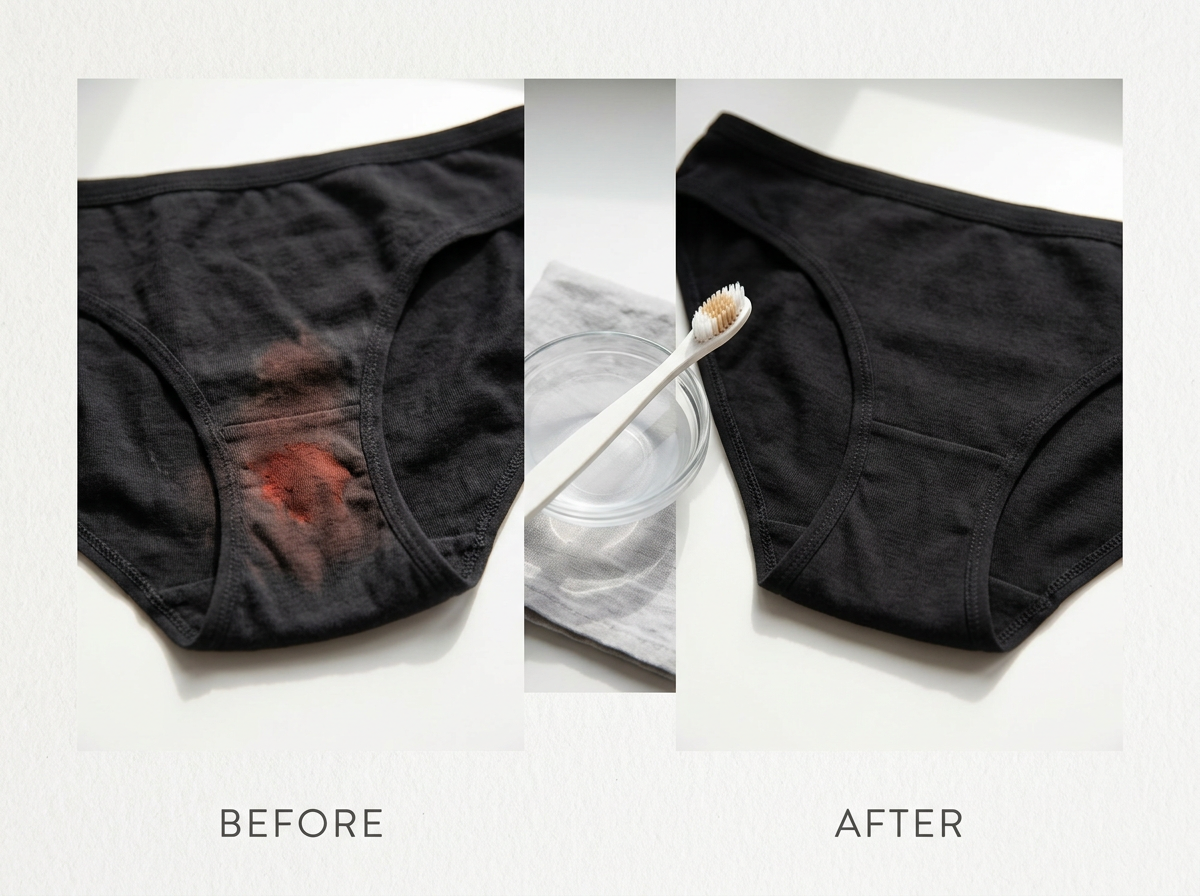
How to Get Period Blood Out of Underwear: The Science of Stain Removal (Not Just Tips)
"How to get period blood out of underwear" searches jumped 100% in Q1 2026 — and for good reason. Most stain advice stops at "use cold water," but never explains why hot water permanently sets the stain, why hydrogen peroxide works on some fabrics but destroys others, or why your washing machine's enzyme cycle is actually the most powerful tool you already own. We break down the protein chemistry, fabric-specific protocols, and the most common mistakes that turn a removable stain into permanent damage.
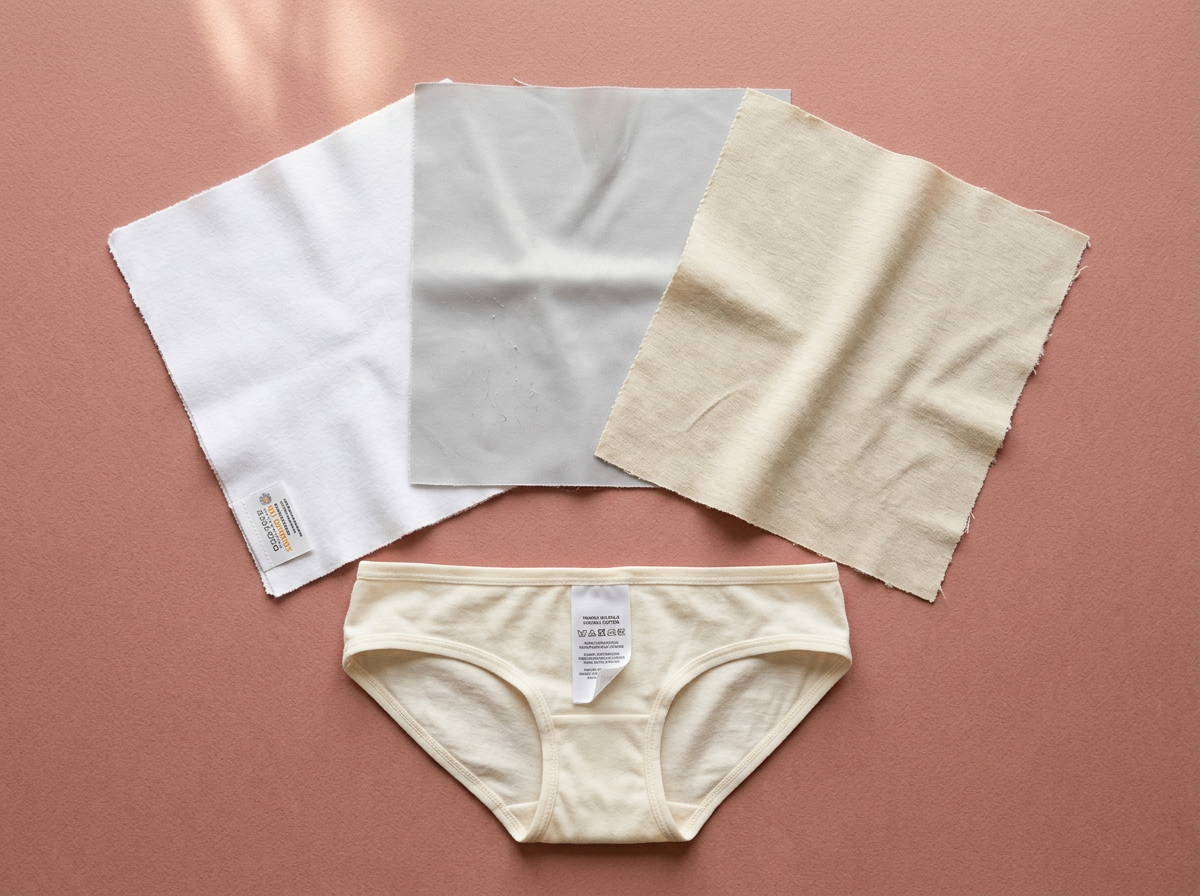
Is Your Underwear Causing Skin Problems? The Fabric-Skin Health Connection
That recurring rash below your waistline. The itch that will not go away. The red marks where your underwear elastic sits. "Underwear rash" and "underwear irritation" searches have grown steadily as consumers discover their underwear may be the hidden cause of skin problems. We analyzed the four fabric-skin interaction mechanisms — bacterial microclimate, chemical contact dermatitis, pressure dermatitis, and antibacterial treatment sensitivity — with test data across 30+ brands.
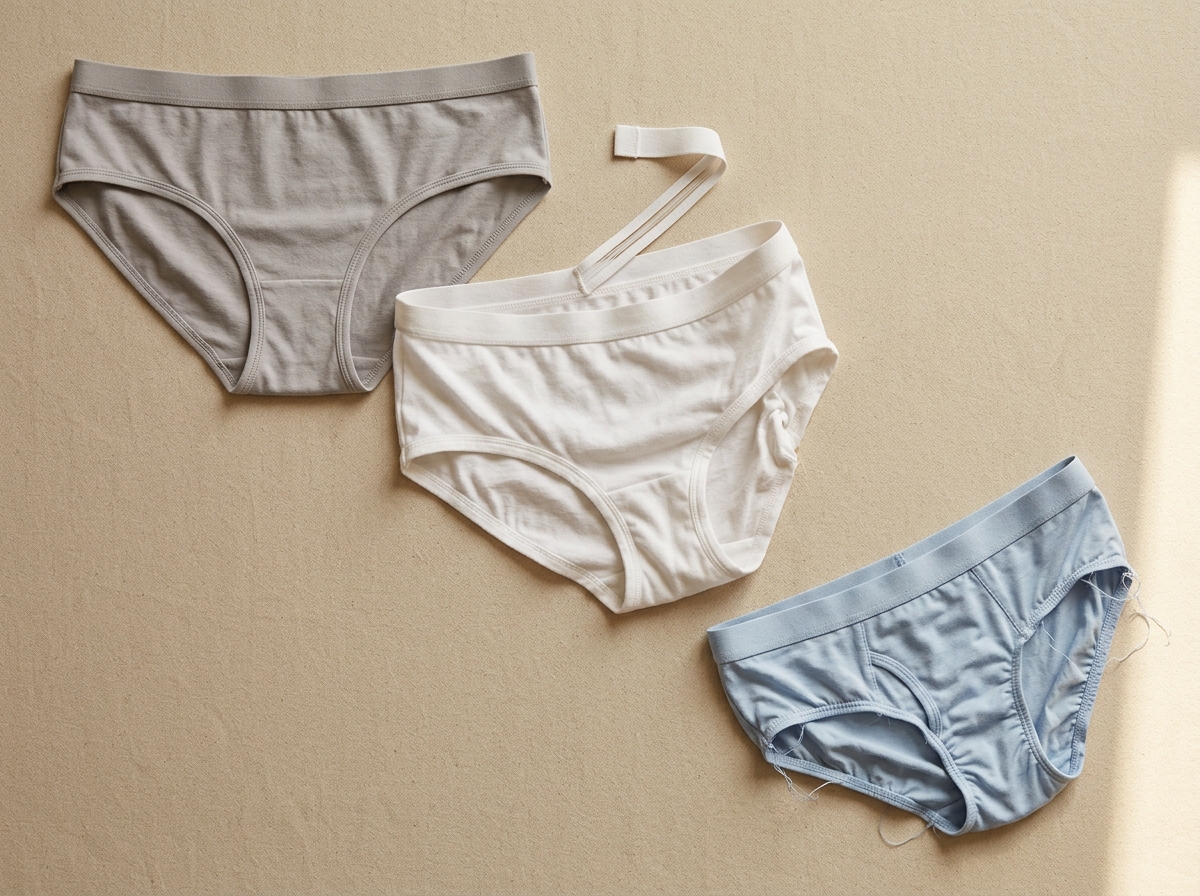
Why Does My Underwear Ride Up, Roll Down & Bunch? The Fit Science Fix
You adjust your underwear five times before lunch. The waistband rolls, the legs ride up, and everything bunches in the wrong places. "Why does my underwear keep riding up" is one of the most searched underwear complaints globally. We break down the four scientific causes — elastic recovery degradation, rise-torso mismatch, leg opening geometry, and fabric stretch ratio — and provide body-type-specific solutions based on testing across 30+ brands.
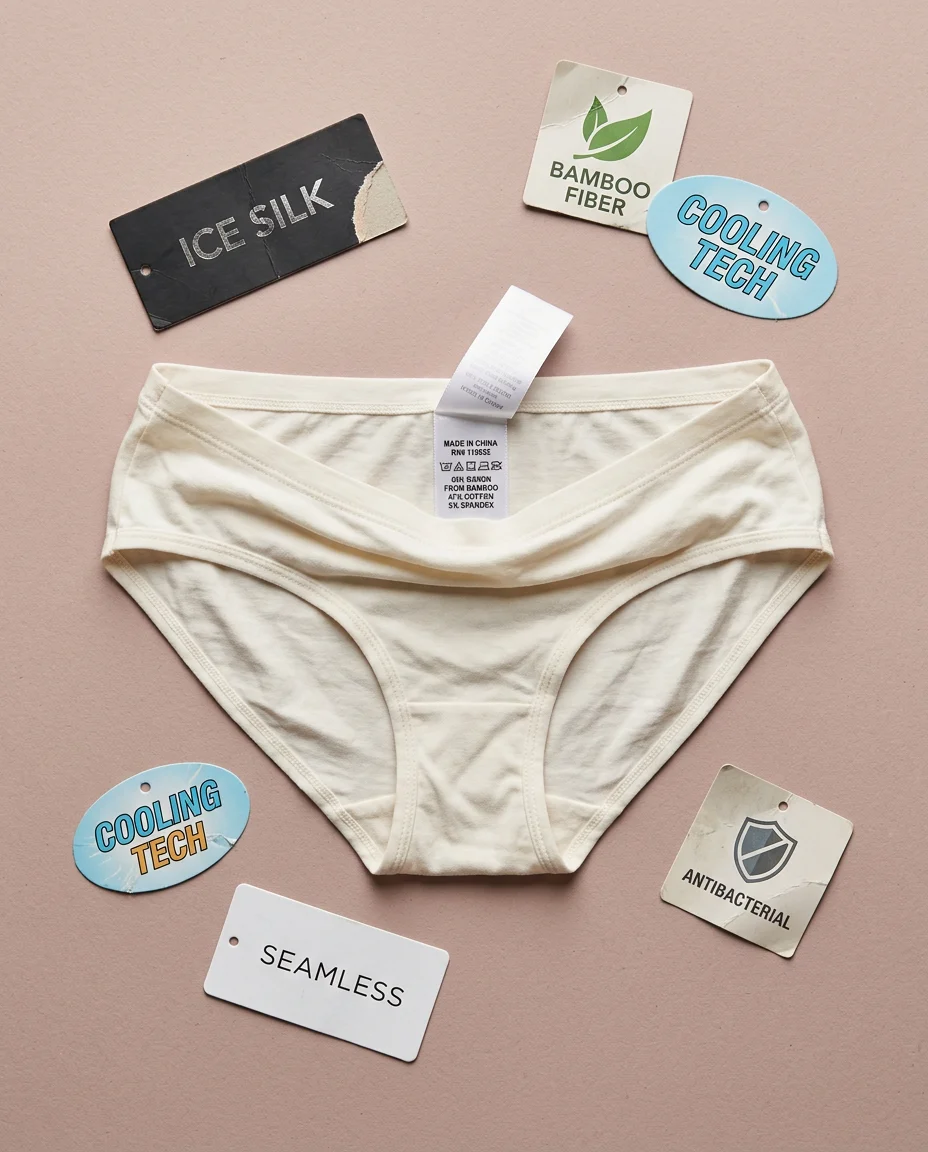
5 Underwear Marketing Terms That Lie to You — And the Fiber Science Behind Each One
Your underwear label says "ice silk," "bamboo fiber," "seamless," "cooling technology," and "antibacterial." Three of those five terms do not mean what you think they mean. We deconstructed each marketing claim against published fiber science data and found a consistent pattern: the most expensive-sounding terms describe the cheapest materials.
Summer Underwear Fabric Ranked by Real Cooling Performance (Not Marketing Claims)
Six fabrics, one question: which one actually keeps you cool? We ranked common summer underwear materials by Q-max contact cooling, sustained heat dissipation, and moisture vapor transmission — and found that the three most heavily marketed fabrics are also the three worst performers after 30 minutes of wear.
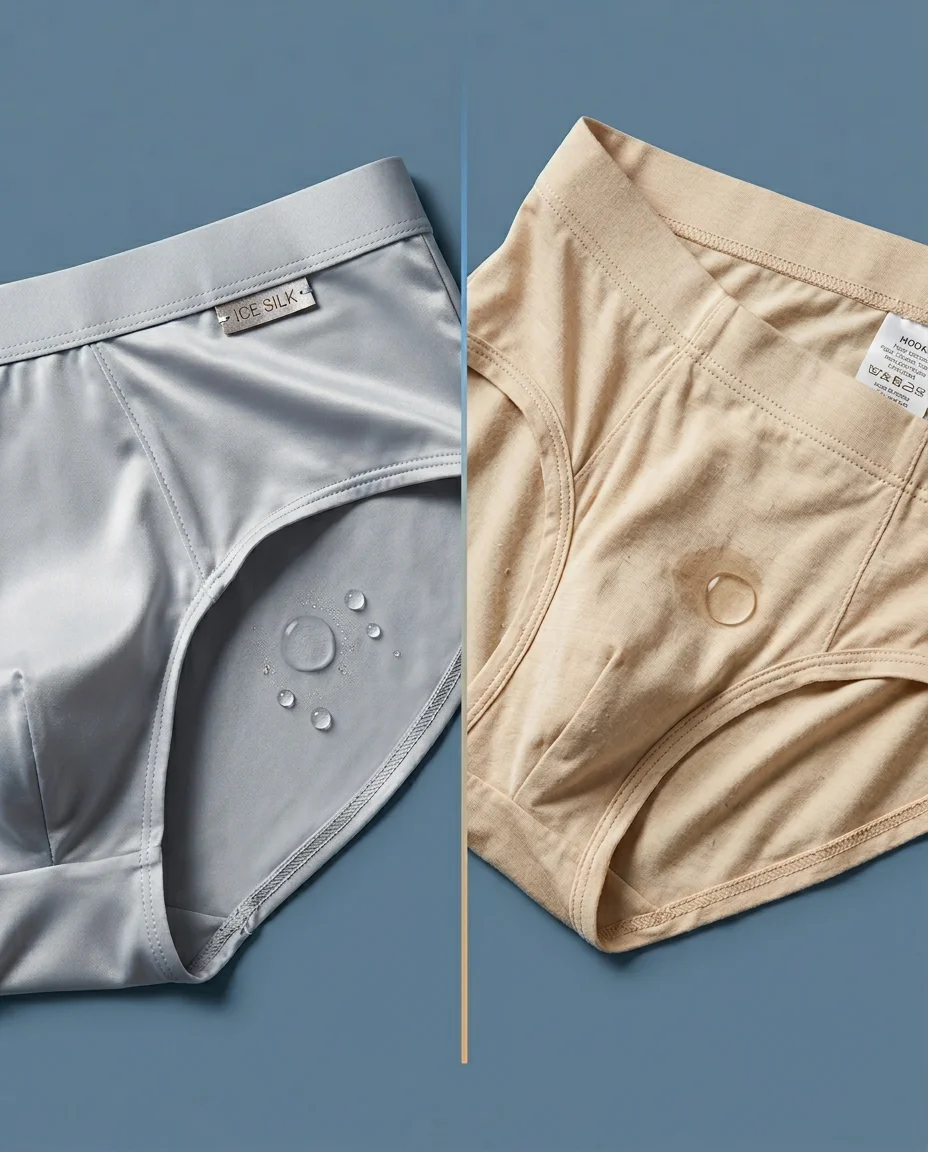
Ice Silk vs Modal vs Bamboo: Which Summer Underwear Actually Keeps You Cool (2026 Lab Data)
You bought "ice silk" underwear because the tag said cooling. By noon, you were sweating more than in your old cotton pair. We tested five common summer underwear fabrics for contact cooling, sustained heat dissipation, and moisture management — and the results contradict most marketing claims.
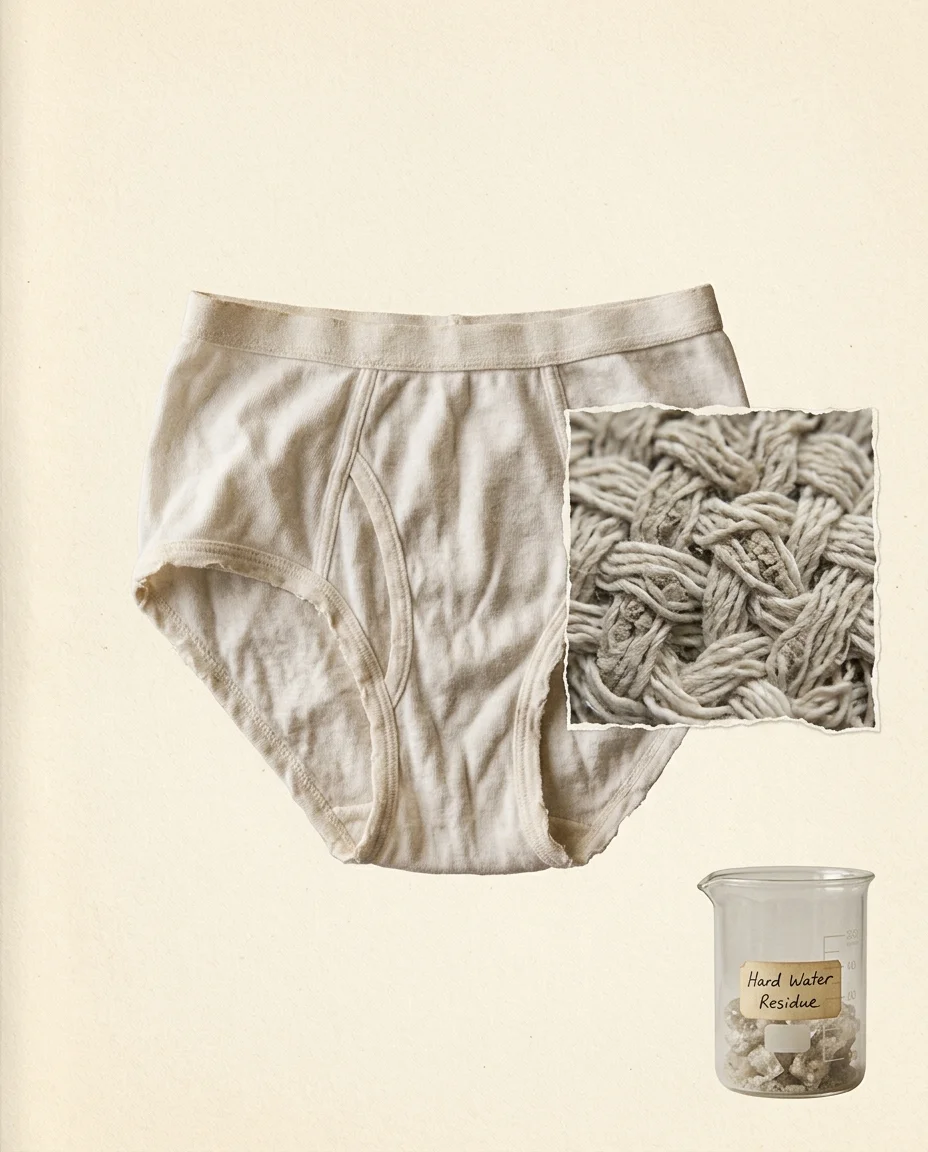
Why Cotton Underwear Gets Hard After Washing: The Science of Fabric Stiffness
You bought cotton underwear because it is natural and breathable. But after 10 washes, it feels like cardboard. Search interest in "cotton underwear" reached its highest point in 2026, yet consumer complaints about post-wash stiffness keep rising. We analyzed the three scientific mechanisms behind cotton hardening and tested real-world solutions across 30+ brands.
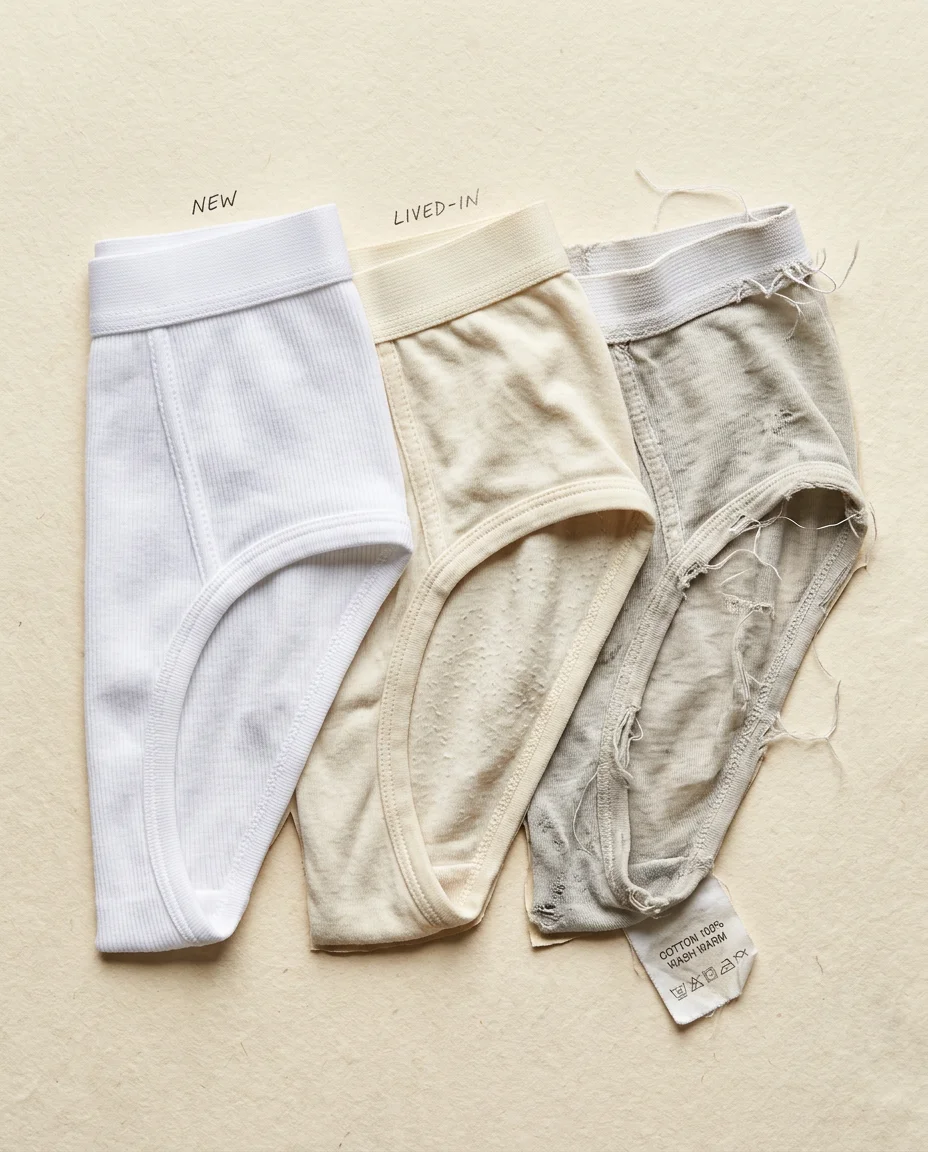
When to Replace Underwear: A Science-Based Lifespan Guide With Test Data
Most people keep wearing underwear months past its functional end-of-life. Medical professionals recommend replacing every 6-12 months, but the actual lifespan depends on fabric type, wash frequency, and construction quality. We analyzed degradation data across 30+ brands to build a science-based replacement timeline.
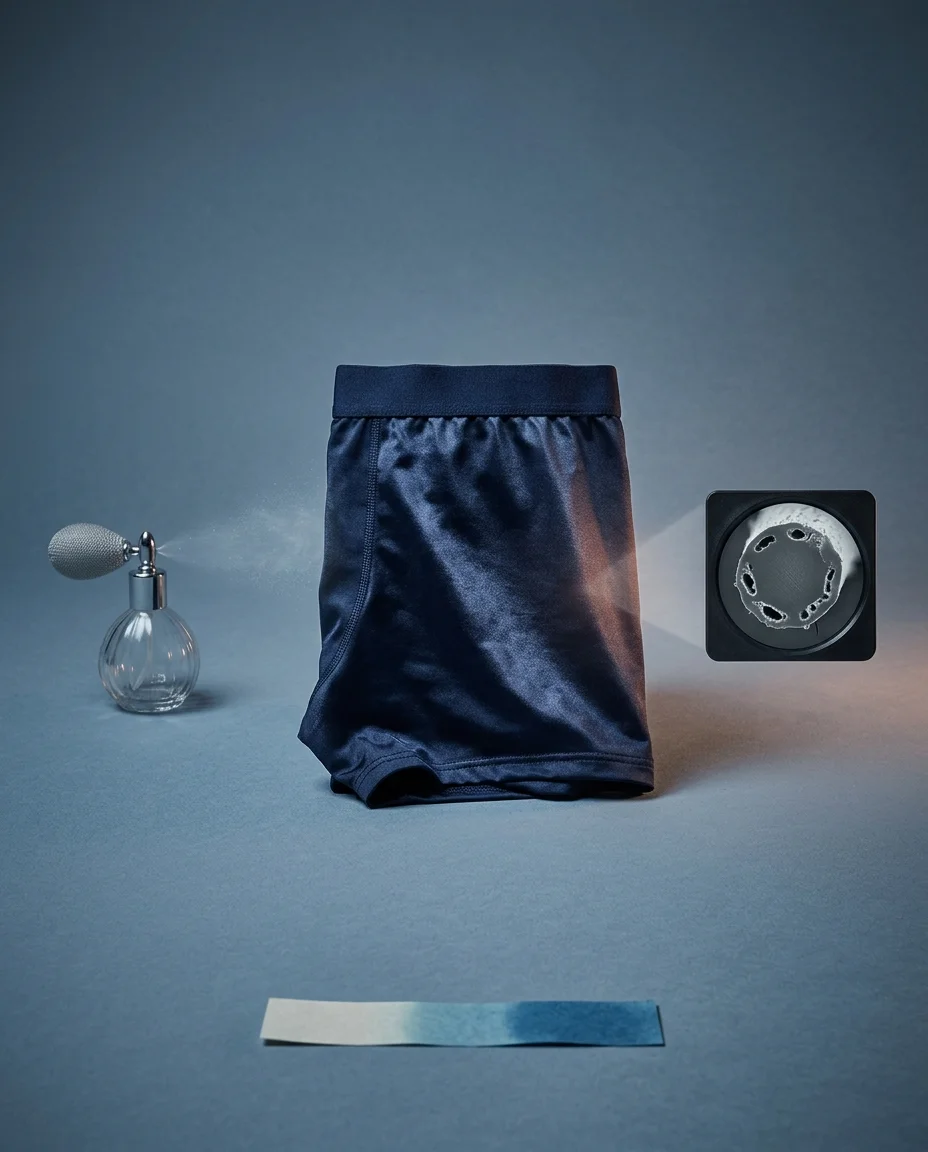
Polyester Underwear Odor and Breathability Problems: Why Synthetic Traps Smell
You bought underwear labeled "breathable," "ice silk," or "quick-dry" — but by noon, there is a noticeable odor. Synthetic underwear odor retention is one of the most emotionally charged consumer complaints. We break down why polyester locks in odor molecules and what fiber properties actually determine underwear performance.

Lyocell Underwear: Complete Fiber Science & Buying Guide
Lyocell is the fastest-growing fiber in premium underwear, with searches up 100% year-over-year. But most consumers cannot distinguish Lyocell from generic viscose — and some brands exploit this confusion. This guide covers: the NMMO solvent-spinning process, why Lyocell outperforms Modal in moisture management, Tencel trademark explained, and how to verify authentic Lyocell on fabric labels.
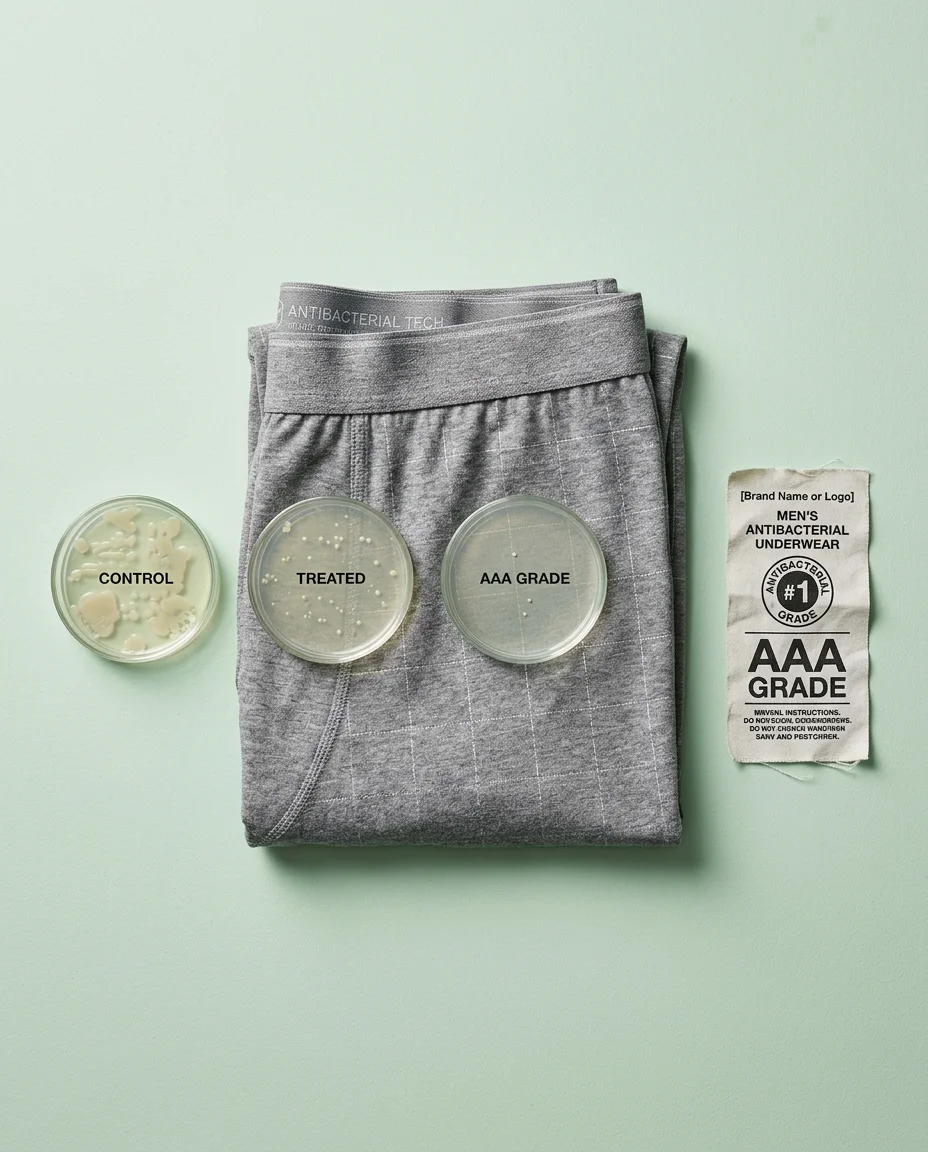
Antibacterial Underwear Grades: What Consumers Actually Understand (China Market Survey)
Consumer awareness research reveals 72% of buyers misunderstand antibacterial underwear grades. 7A does not mean '7x stronger antibacterial' — it means the antibacterial effect survives 150 wash cycles. This article analyzes consumer perception gaps, brand marketing tactics, and practical guidance for choosing the right antibacterial grade for daily wear, exercise, and hot climates.
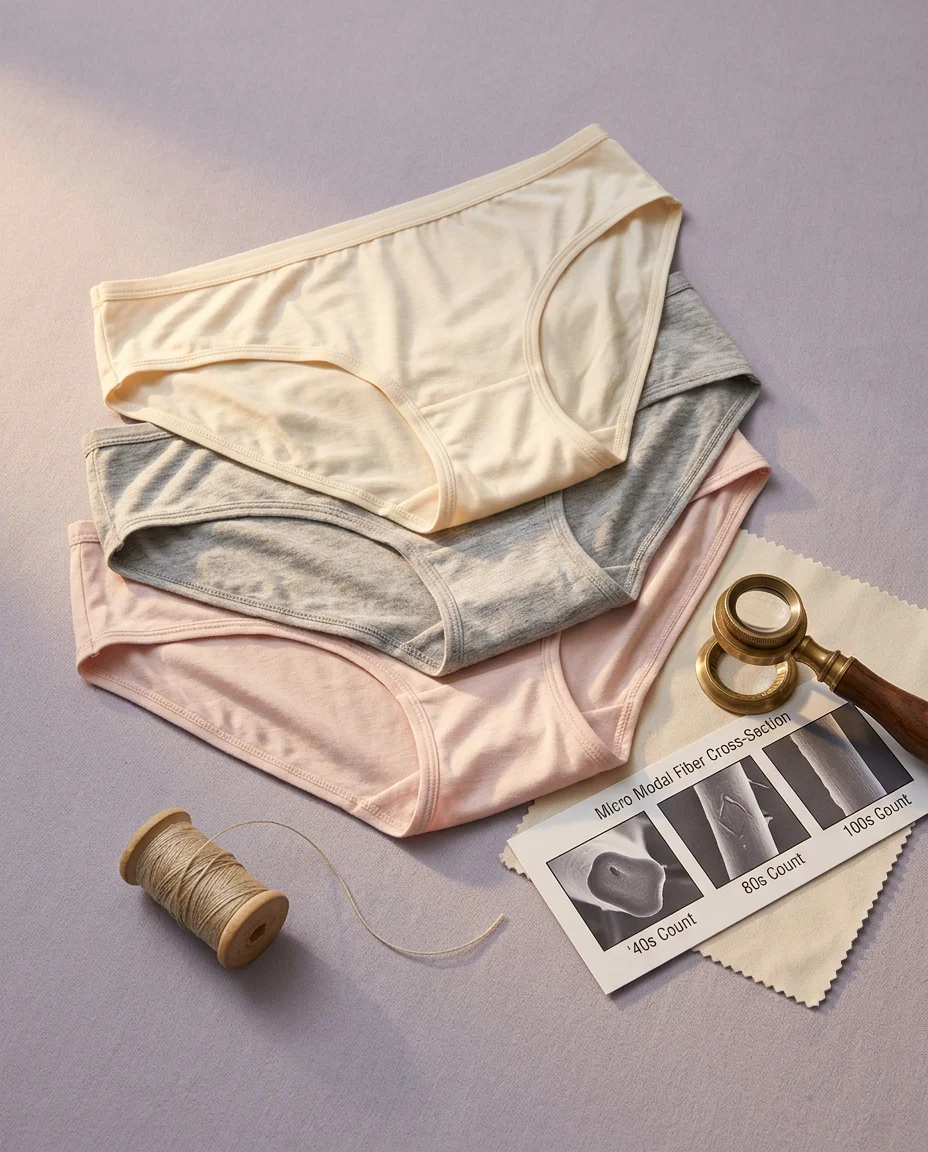
Best Modal Underwear 2026: Blind-Tested Brands & Fabric Grades Compared
"Best modal underwear" searches grew +120% in 2026 as consumers shifted from learning about Modal to actively buying it. In a 34-brand, 103-day blind test with 10 independent testers, the top 3 rated products all used Modal — with the highest scorer at 4.83/5. We compared thread counts (40s to 100s), brand performance, antibacterial grades (3A/5A/7A/10A), and daily cost per wear to identify the best Modal underwear for every scenario.
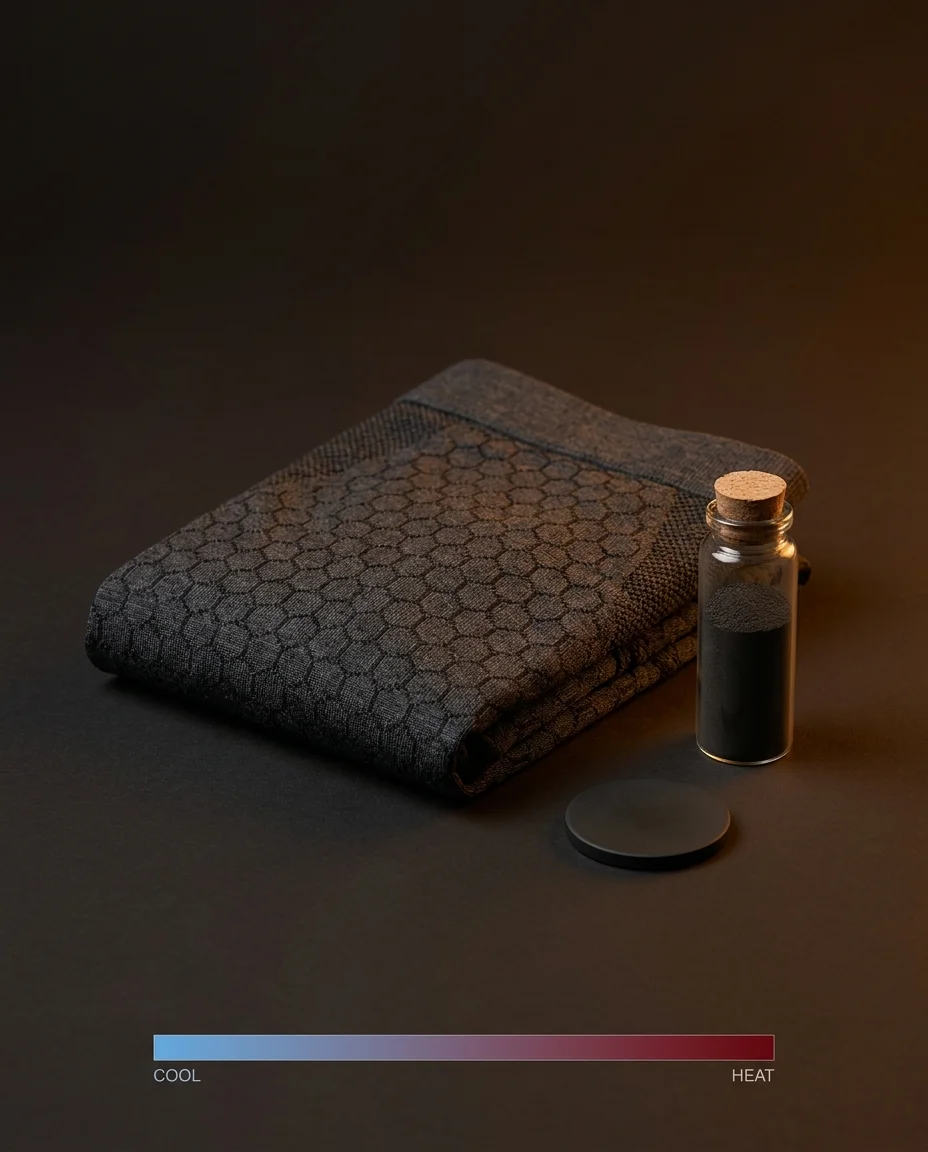
Does Heated Underwear Really Work? Graphene & FIR Tech Explained
"Heated underwear" search volume surged +2,150% — but does it actually work? We break down three heating technologies (active graphene electric, passive far-infrared ceramic, and hybrid graphene fabric), compare real performance data (warming range, battery life, wash durability), and explain which technology fits which scenario. Graphene textile market projected to grow from $289.4M (2025) to $1.023B (2034).
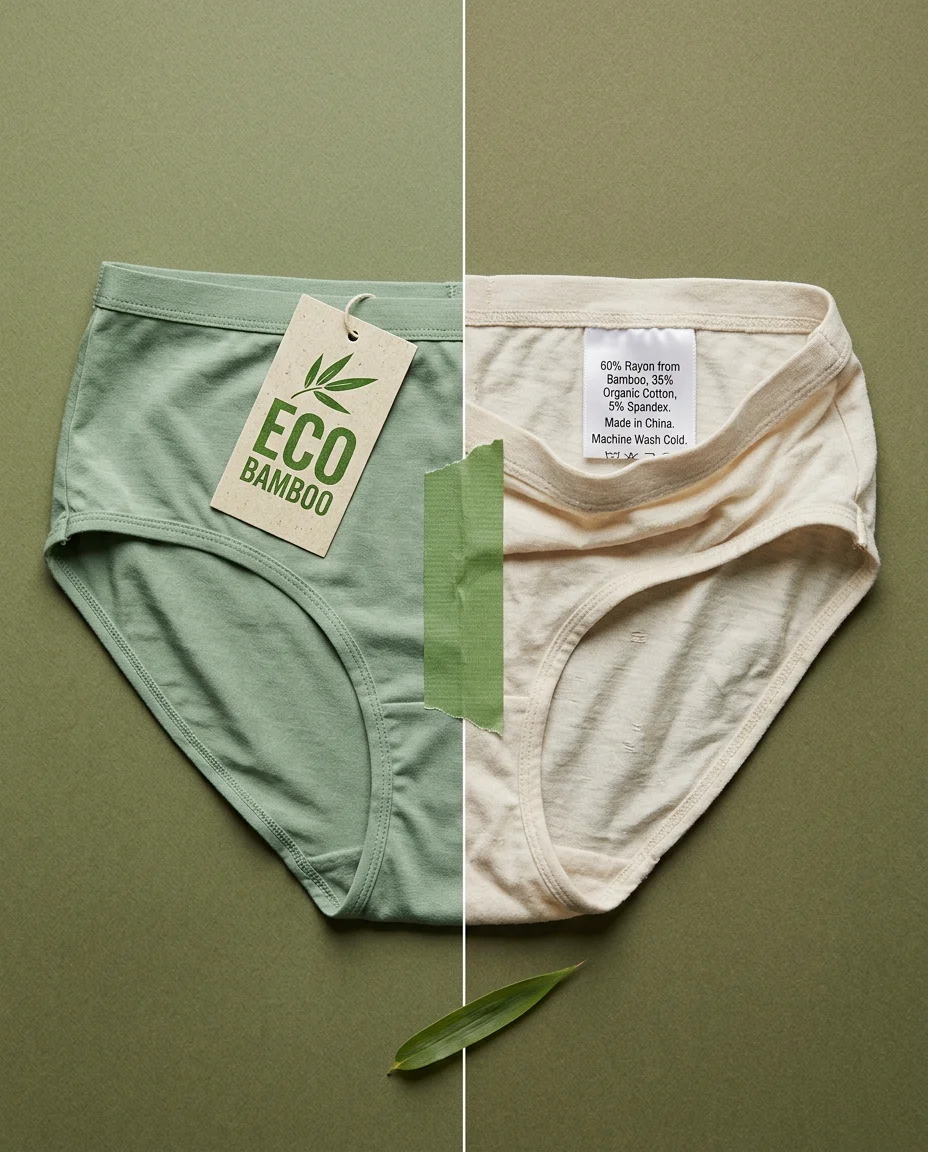
Bamboo Underwear Reviews: Lab Data vs Marketing (2026)
"Bamboo underwear reviews" surged +400%, "is bamboo underwear worth it" +200%. FTC has fined brands over $2.5M total for false bamboo labeling. We built a systematic lab-testing methodology to evaluate bamboo underwear claims — antibacterial, eco-friendly, breathable — using first-hand SGS/Intertek test data. Our review framework reveals: natural bamboo fiber has NO proven natural antibacterial properties, and most "bamboo fiber" products are actually viscose with no bamboo-derived performance advantages.
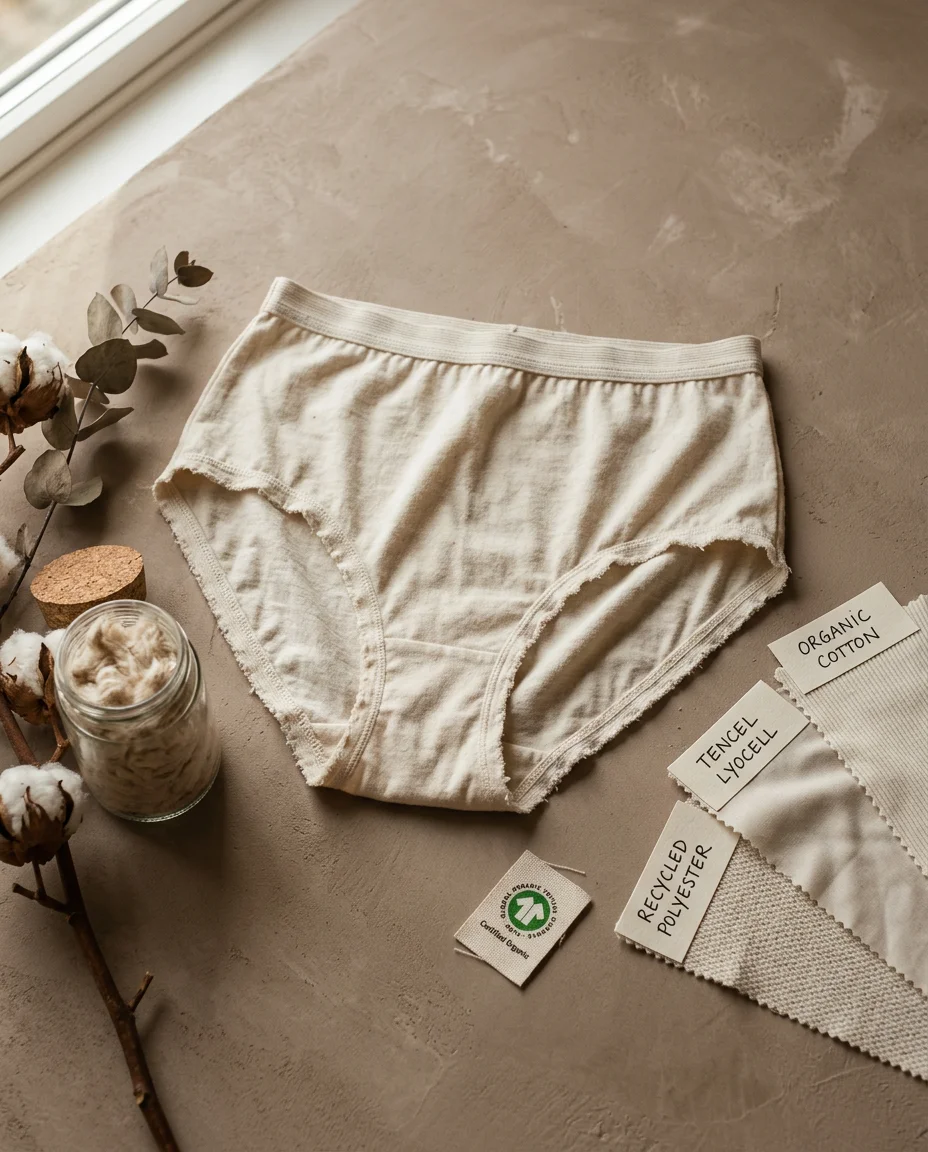
Sustainable Underwear Guide 2026: Material Science Beyond Greenwashing
"what is sustainable fashion" search volume grew +160%, yet the generic term "sustainable fabrics" declined -30%. Consumers want to understand sustainable fashion and fabrics but are increasingly skeptical of greenwashing. We approach sustainability from material science, breaking down four real dimensions of underwear sustainability — raw material sourcing, production process, product lifespan, and end-of-life disposal — and build an actionable evaluation framework to help you identify genuinely sustainable products.
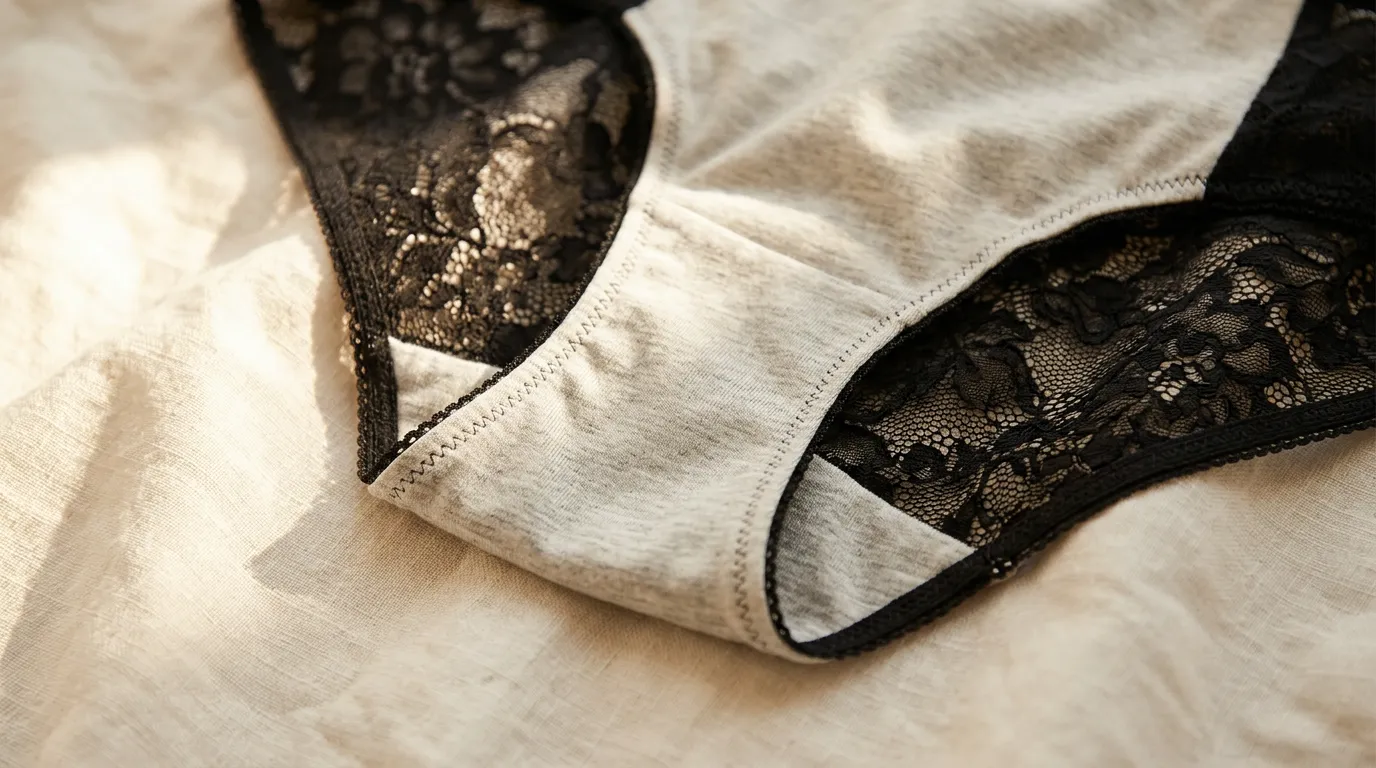
What Is a Gusset in Underwear? Meaning, Purpose & Why It Matters
"100% cotton gusset" means the crotch panel is pure cotton — even when the rest uses synthetics. A gusset prevents chafing, absorbs moisture, and protects intimate health. Double-layer cotton gussets absorb 40% more than single-layer. Learn to test quality at home and why this small panel is your underwear's most important part.

Regenerated Cellulose Fiber Science Overview: From Wood Pulp to Underwear — The Evolution of Fabric
Regenerated Cellulose Fiber (RCF) now accounts for approximately 6.4% of global fiber production, with annual output of roughly 8.4 million tons, still growing at 8% per year. In the underwear sector, Modal, Lyocell, and other RC fibers have achieved absolute dominance in the premium market — the top 3 in a 34-brand blind test all use Modal fabric. This article is a complete scientific overview of the RC fiber family: from viscose to Modal to Lyocell, from production processes to performance parameters to application scenarios, plus a scientific deconstruction of marketing terms like "bamboo fiber" and "ice silk."
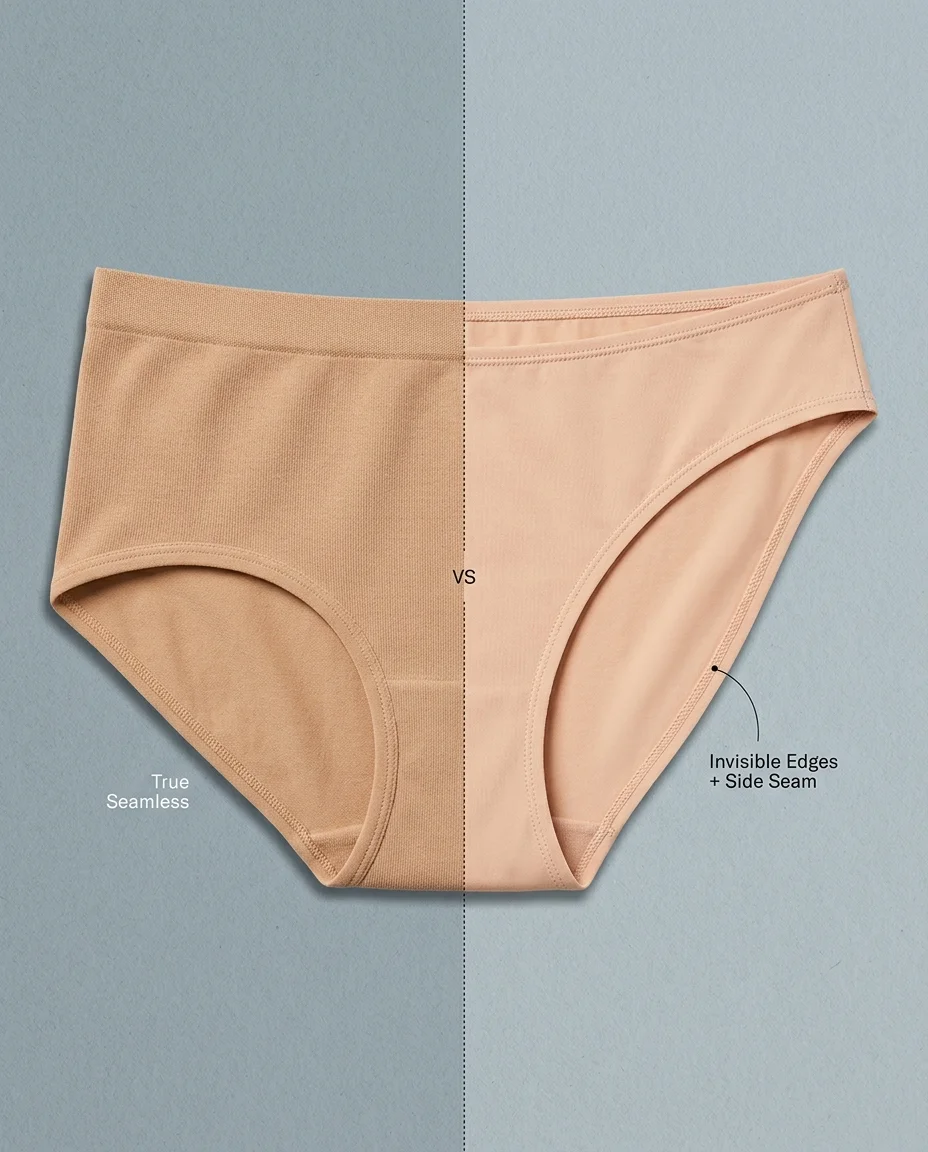
Seamless Underwear vs Invisible Underwear: The Real Difference (Technical Analysis + Scenario Guide)
"Seamless underwear" is surging across the board — men's +300%, plus-size +250%, educational queries +50% — while "invisible underwear" is flat at +1%. Consumers are migrating from "invisible" to "seamless," yet most don't understand the fundamental difference between these two concepts. They are not synonyms: seamless refers to tubular knitting without side seams, while invisible refers to low-rise/thin designs that don't show under tight outerwear. We provide a comprehensive comparison across three dimensions: technical definition, manufacturing process, and wear performance.
Modal vs Cotton: Moisture-Wicking Test (Modal Dries 50% Faster)
Modal dries 50% faster than cotton. The reason: Modal fiber (1 dtex) creates 50% more capillary channels for moisture transport. We tested both — wicking speed, drying time, and why 92% Modal / 8% Spandex is the best blend for hot-weather underwear. Full comparison data inside.
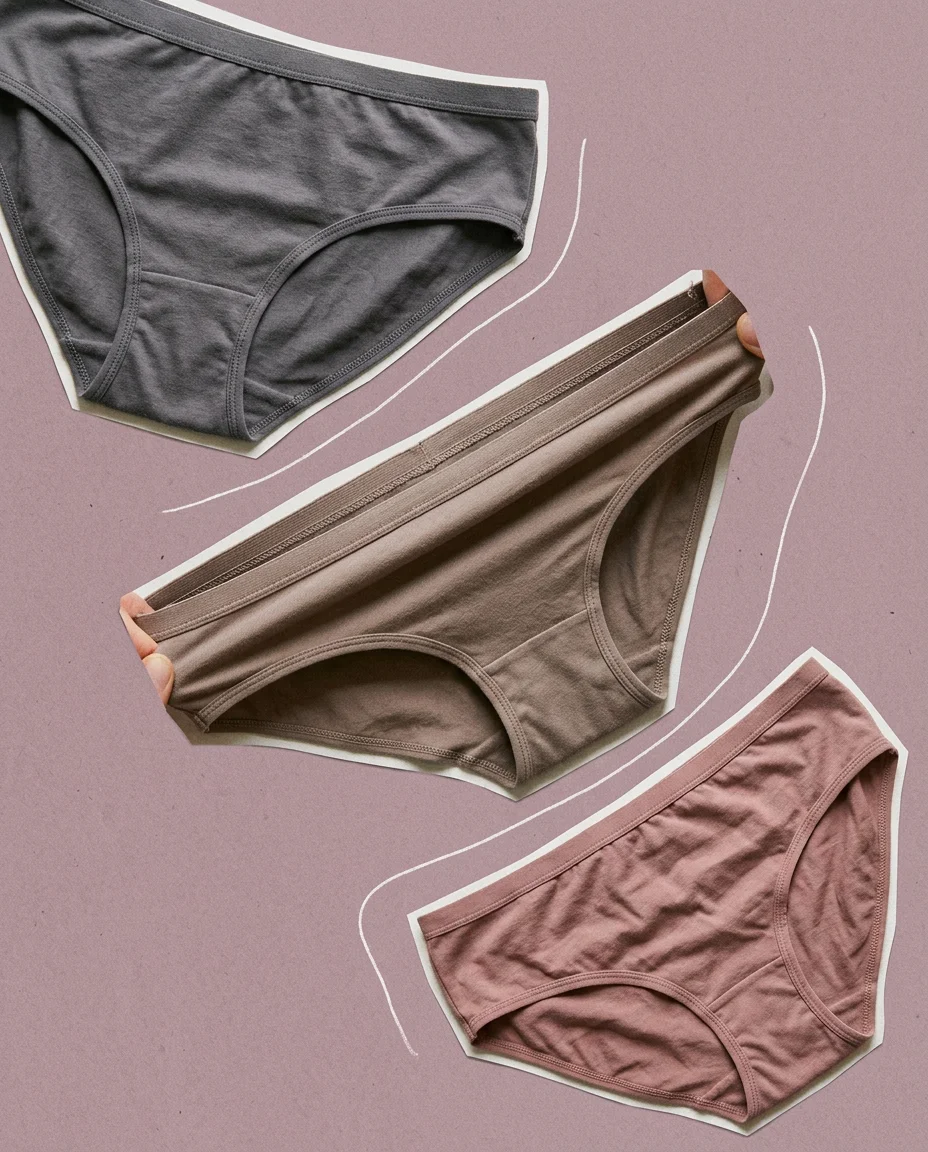
Best Spandex % for Underwear: Why 5% Wins (100-Wash Test)
We tested 2%, 5%, and 10% spandex blends across 100+ washes. 5% delivers 30–50% stretch with 95%+ recovery — the underwear sweet spot. 2% bags by noon; 10% feels synthetic. Full data on why 95/5 cotton-spandex is the industry benchmark.
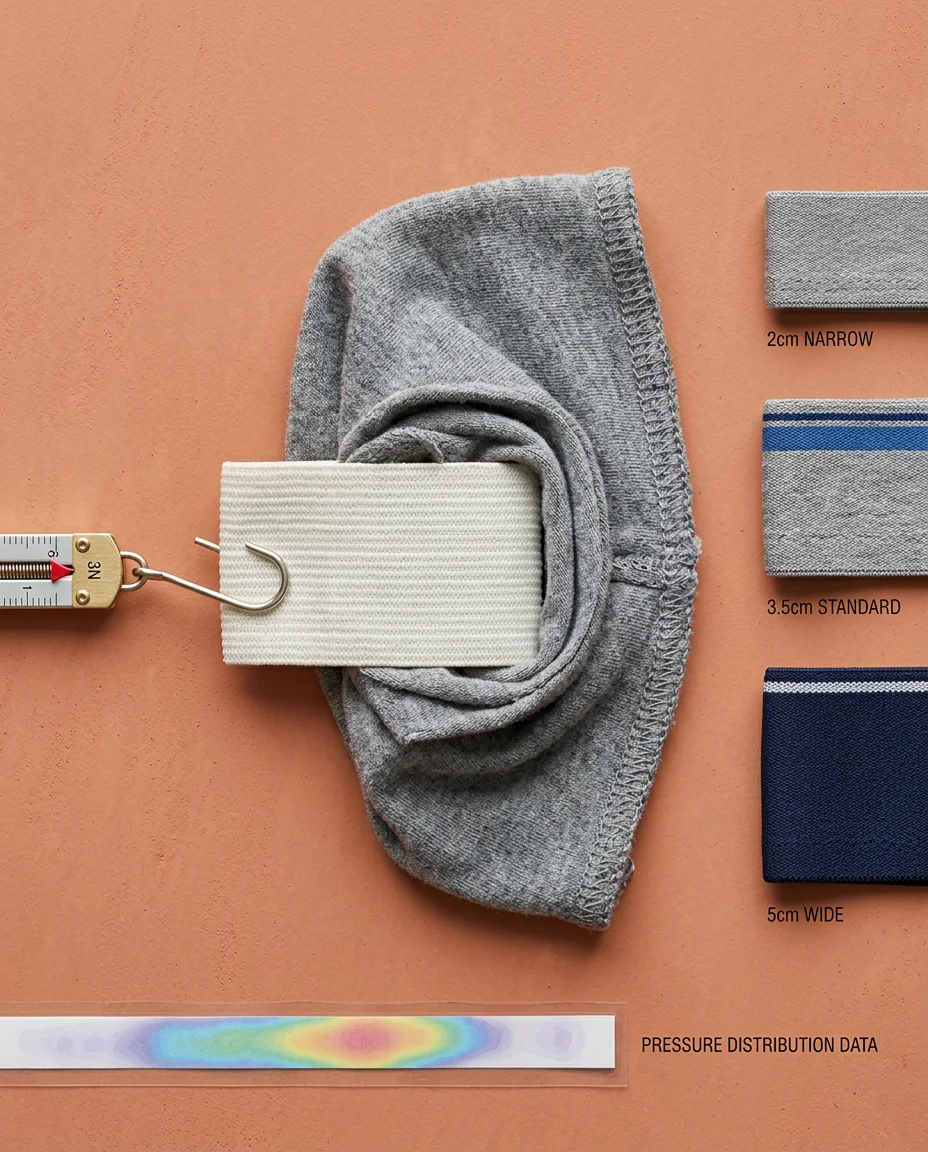
Why Underwear Waistbands Roll & Dig: 34-Band Blind Test Results
34 waistbands blind-tested over 103 days: 3–4cm double-layer elastic with 280+ denier spandex cuts 31% of waistband returns. Premium elastic keeps 95%+ recovery after 100 washes — budget degrades by wash 20. Exact specs for no-roll, no-dig underwear included.
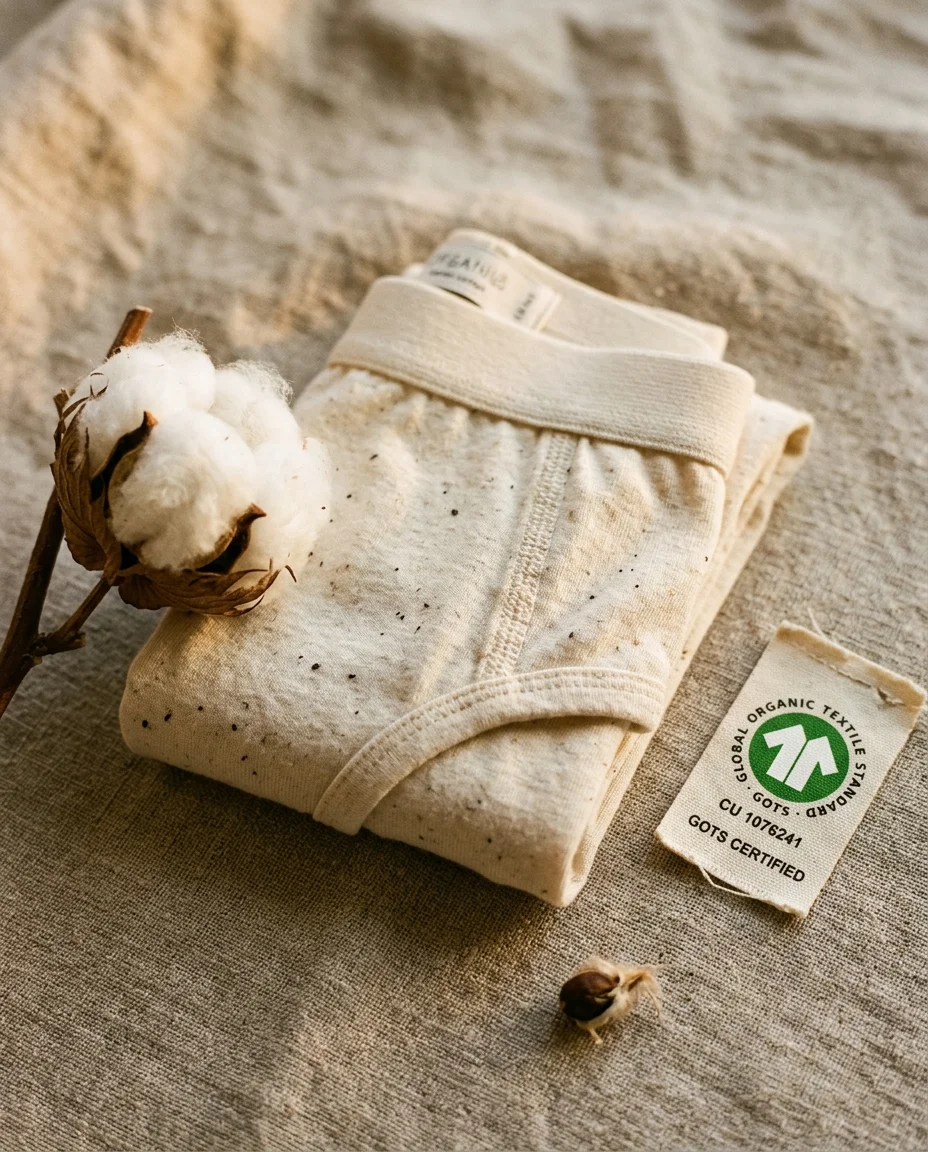
The Real Value of Organic Cotton Underwear: Performance Testing, Skin Sensitivity & Brand Sourcing Guide
"Organic cotton underwear" search volume continues to climb, with men's organic cotton underwear growing +40-60% and the T-shirt category surging +850%. Yet consumer testing reveals that some brands labeled "organic cotton" only use it on the outer layer — the gusset and other critical contact areas remain conventional cotton. We break down organic cotton's specific performance in underwear, skin sensitivity data, GOTS certification sourcing practices, and how brands can avoid "greenwashing" organic cotton traps.
Is Bamboo Underwear Breathable? The Science Answer
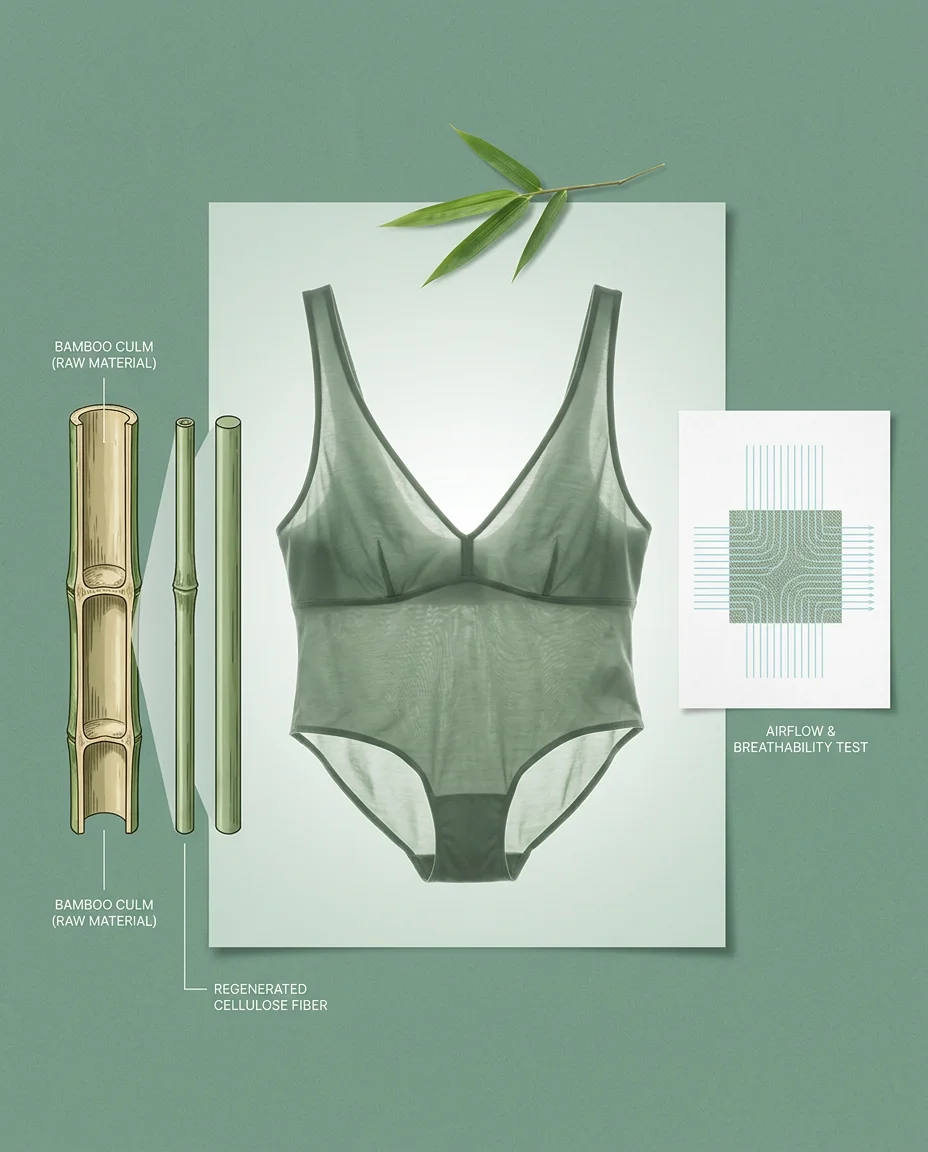
"is bamboo underwear breathable" search volume grew +120%, and "bamboo underwear reviews" surged +400%. But "bamboo fiber" is not an accurate fiber classification — nearly all underwear products marketed as "bamboo fiber" actually use regenerated cellulose fiber (viscose/Modal) made from bamboo pulp, not natural bamboo bast fiber. We re-answer the "breathability" question from fiber science, and explain why the term "bamboo fiber" is being phased out by global regulatory authorities.
What is Seamless Underwear: Complete Technology & Benefits Guide
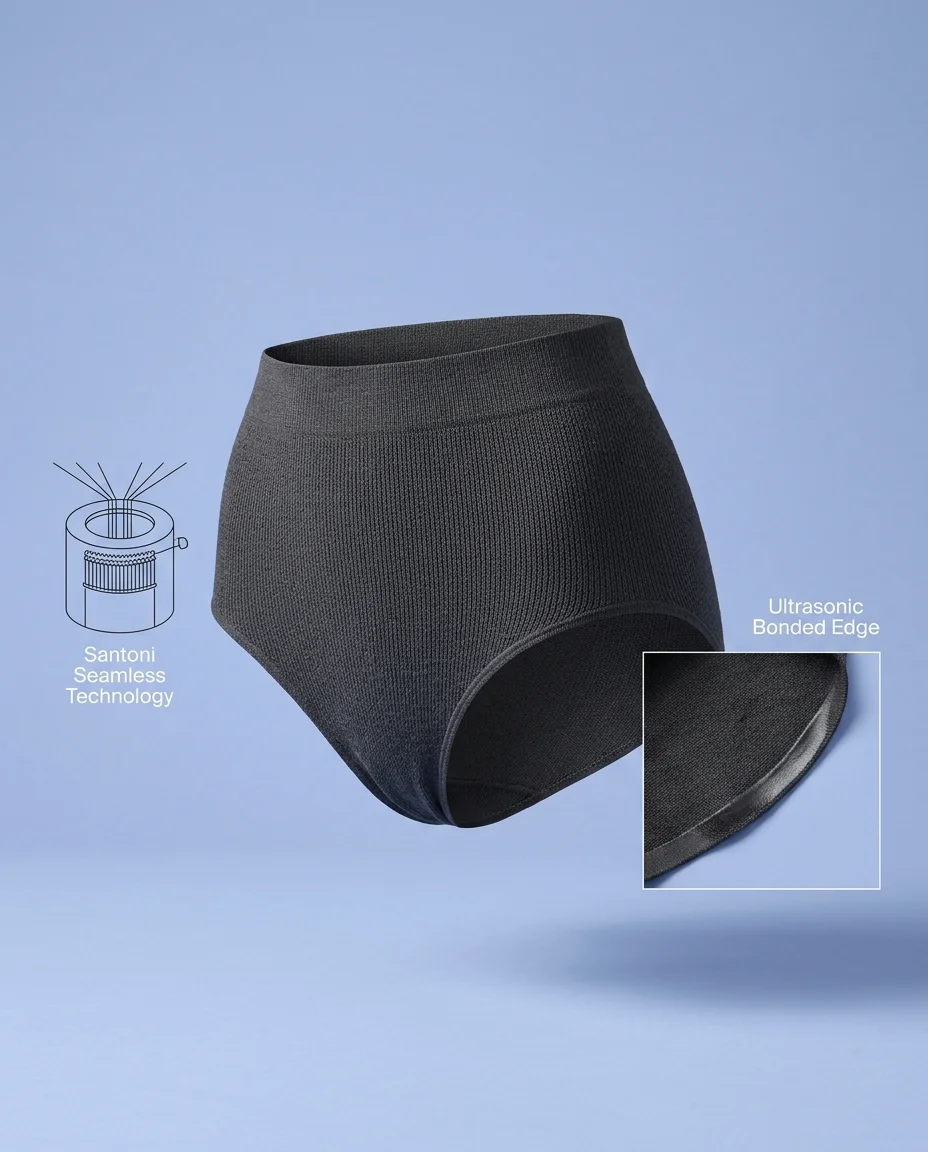
"What is seamless underwear" searches continue to climb, with men's seamless underwear growing 300% and plus-size seamless growing 250%. But "seamless" does not mean "one-piece" — true seamless underwear uses circular knitting technology, formed in a single pass on Santoni machines. We break down seamless knitting principles, leg opening finishing techniques (laser cutting vs. overlock vs. hot melt adhesive), waistband types, and the key parameters brands should specify in their tech packs.

Modal vs Lyocell Fabric Comparison: Complete Guide for Underwear Brands
Modal and Lyocell are both regenerated cellulose fibers, but their manufacturing processes, fiber properties, and final wearing experiences are fundamentally different. We compared fiber diameter, moisture absorption, durability data, and 30+ brand test results to reveal how brands should choose between them in their product lines — and why Tencel is simply a trademark name for Lyocell.
"Ice Silk" Underwear Exposed: What This Marketing Term Actually Hides
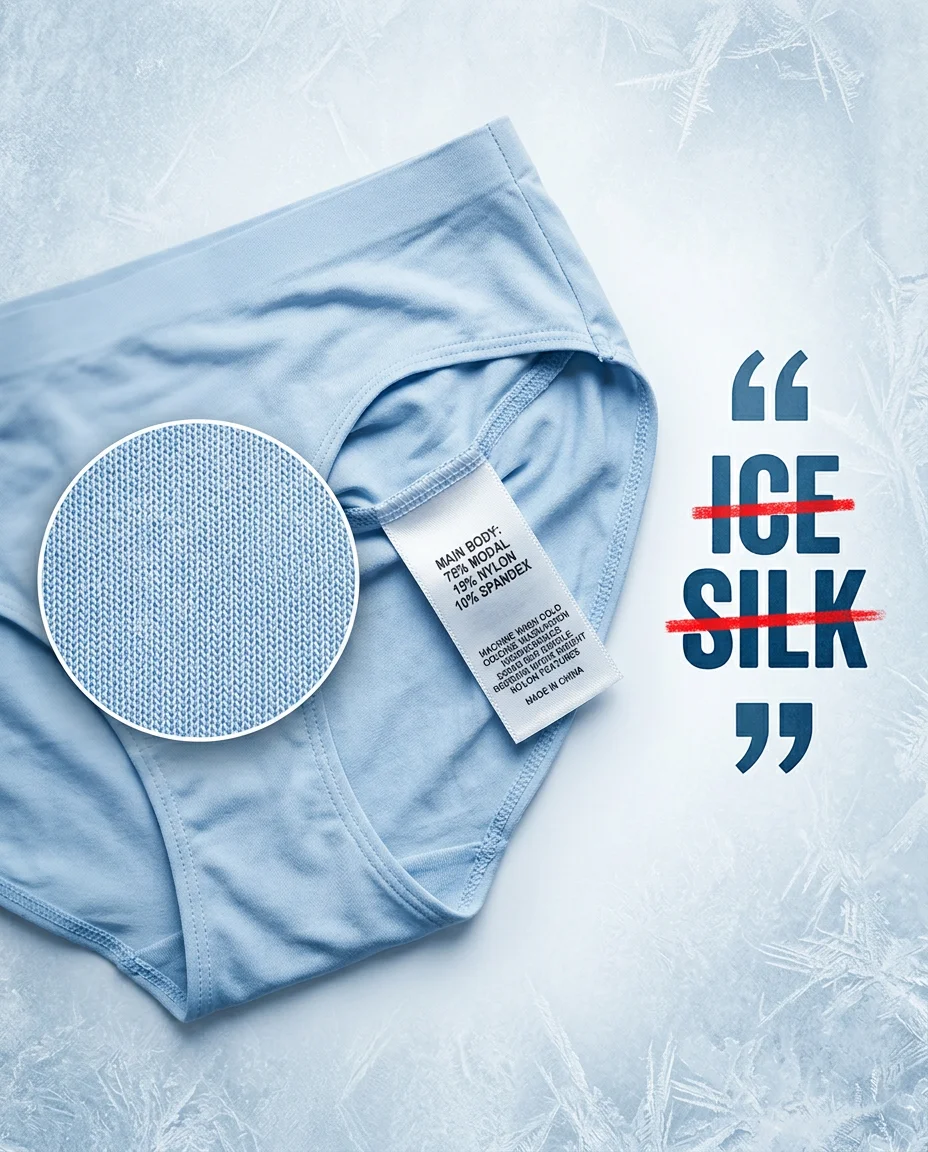
"Ice silk" is not a fiber type — it is a marketing term originating from a 1990s French brand. Most "ice silk" underwear contains Modal, nylon, spandex, and polyester blends with no standardized composition. We break down actual fiber compositions, export compliance requirements, and what brands should put on their labels instead.
Ready to Optimize Your Fabric Sourcing?
Partner with AuraTouchGlobal for expert guidance on fabric selection and quality control.
Get Started