Fabric Science2026-04-1012 min read
Polyester Underwear Odor and Breathability Problems: Why Synthetic Traps Smell
Karl XiaoFactory Production Director
Part of the The Fiber Lab series
Part of the The Fiber Lab series
You bought underwear labeled "breathable," "ice silk," or "quick-dry." It felt smooth and comfortable in the store. But by midday, there is an unmistakable odor — and you wonder if anyone else can tell.
This is not a personal hygiene problem. It is a fiber science problem. And the $20-50 you spent on "premium" synthetic underwear may have made it worse.
Consumers are searching for solutions to synthetic fabric problems
Polyester (polyethylene terephthalate, or PET) is a hydrophobic synthetic fiber — it actively repels water. This property makes it excellent for outerwear (rain jackets) but problematic for underwear:
A fiber that does not absorb moisture. Polyester absorbs only 0.4% of its weight in water, compared to cotton at 7-8% and Modal at 12-15%. Water beads up on the surface rather than passing through. In underwear, this means sweat stays trapped between skin and fabric.
The odor cycle works like this:
Sweat production: Your body produces sweat to regulate temperature. The groin area has a high concentration of apocrine sweat glands, which produce protein-rich sweat that bacteria love to consume.
Moisture trapping: Polyester's hydrophobic surface prevents sweat from passing through the fabric. Instead, moisture pools between skin and fabric, creating a warm (35-37°C), damp micro-environment.
Bacterial proliferation: The warm, damp, enclosed environment is ideal for bacterial growth. Bacteria consume the proteins and lipids in sweat, producing volatile organic compounds (VOCs) — the molecules we perceive as body odor.
Odor molecule bonding: Here is the critical difference — polyester fibers have a strong chemical affinity for oily, hydrophobic odor molecules. Research published in the National Library of Medicine (PMC) found that polyester binds sebum (skin oil) molecules significantly more strongly than cotton. These oils do not wash out easily, providing a persistent food source for bacteria in subsequent wear cycles.
Even after washing, polyester can retain odor. The same hydrophobic bonding that traps sebum against the fiber surface resists detergent penetration. This is why your synthetic gym shirt or underwear may smell fresh out of the wash but develop odor again within hours of wearing — the bacteria food source was never fully removed.
This is perhaps the most important distinction in underwear marketing. Many consumers (and even some brands) conflate these two properties:
Products marketed as "ice silk" (冰丝) exemplify this confusion. As we documented in our Ice Silk Underwear investigation, "ice silk" is not a fiber type — it is a marketing term that can refer to nylon, polyester, Modal, or any smooth-feeling synthetic blend.
The initial cooling effect is real but temporary:
The smooth surface of synthetic fibers conducts heat away from skin on first contact, creating a cooling sensation lasting 5-15 minutes. After that, the fabric reaches skin temperature and the lack of breathability becomes apparent — heat and moisture accumulate, creating the exact opposite of the promised cooling effect.
In controlled testing using dry ice (frozen CO₂) as a vapor source, the difference between breathable and non-breathable fabrics is dramatic:
You can perform a simplified version of this test at home. Hold a fabric sample over a cup of hot water. If steam passes through visibly within 5 seconds, the fabric is breathable. If the steam is blocked or deflected around the fabric, it is not breathable regardless of what the label claims.
A peer-reviewed study published in the National Library of Medicine (PMC) compared the microbial odor profiles of polyester and cotton clothing after wear:
Key findings:
The combination of trapped moisture, elevated temperature, and friction creates conditions for several skin problems:
Polyester's rough fiber surface (at microscopic level) combined with trapped sweat increases friction against skin. In sensitive individuals, this can trigger contact dermatitis — red, itchy, inflamed patches, particularly in the groin and waistband areas.
The warm, damp micro-environment between synthetic fabric and skin is ideal for bacterial and fungal proliferation. Common conditions include intertrigo (skin fold inflammation), tinea cruris (jock itch), and candidiasis (yeast infection).
When sweat ducts become blocked and perspiration is trapped beneath synthetic fabric, heat rash develops — characterized by small, itchy red bumps. Synthetic underwear with poor ventilation is a significant contributor.
The gusset (crotch lining) is the most critical area for breathability, yet many underwear brands — including expensive ones — use polyester or nylon gussets:
Consumer testing found that even underwear marketed as "Modal" or "cotton" frequently contains polyester gussets. Some brands' gussets contain 28% or more polyester despite the main body being natural fiber. This creates a "synthetic weak point" exactly where breathability matters most. Always check the gusset composition separately — it should be 100% cotton or Modal.
Choosing the right underwear fabric depends on your specific needs:
Daily wear (office, casual): Choose Modal (80-count or higher) with 100% cotton or Modal gusset. Avoid any gusset containing more than 5% polyester.
Sports and high-activity: Choose dual-layer construction — Modal inner layer (skin contact, moisture absorption) + nylon outer layer (moisture transport, quick-dry). This gives you both breathability and moisture management.
Sensitive skin: Choose Lyocell (Tencel) or high-count Modal. Both have exceptionally smooth fiber surfaces that minimize friction. Avoid all synthetic blends in the gusset area.
Hot and humid climates: Choose Lyocell — it has the highest breathability rating and dries 50% faster than cotton. Modal is the second choice.
To be fair, polyester does have legitimate use cases in underwear — but they are specific:
When paired with a Modal or cotton inner layer, polyester's moisture-transport properties can wick moisture away from skin to the outer surface where it evaporates. The key is that polyester never touches skin directly.
Polyester's durability and elasticity make it suitable for structural elements — waistbands, support panels, and compression zones. Again, the skin-contact layer should be natural or regenerated fiber.
New antibacterial polyester treatments (silver-ion, zinc-based) can mitigate odor issues for sports applications. However, these treatments wear off after 20-50 washes, and the underlying breathability problem remains.
Research data: Peer-reviewed study on microbial odor profiles of polyester vs. cotton clothing, National Library of Medicine (PMC 4249026).
Breathability testing: At-home verification methods based on textile industry standard practices; dry ice vapor transmission testing.
Consumer data: Independent blind-test evaluations across 30+ brands with documented consumer feedback on odor, breathability, and skin irritation.
Fiber specification data: Standard textile science references for moisture absorption rates, fiber diameters, and breathability ratings.
Related articles:
Deep dive into fabric composition, properties, and performance at the microscopic level
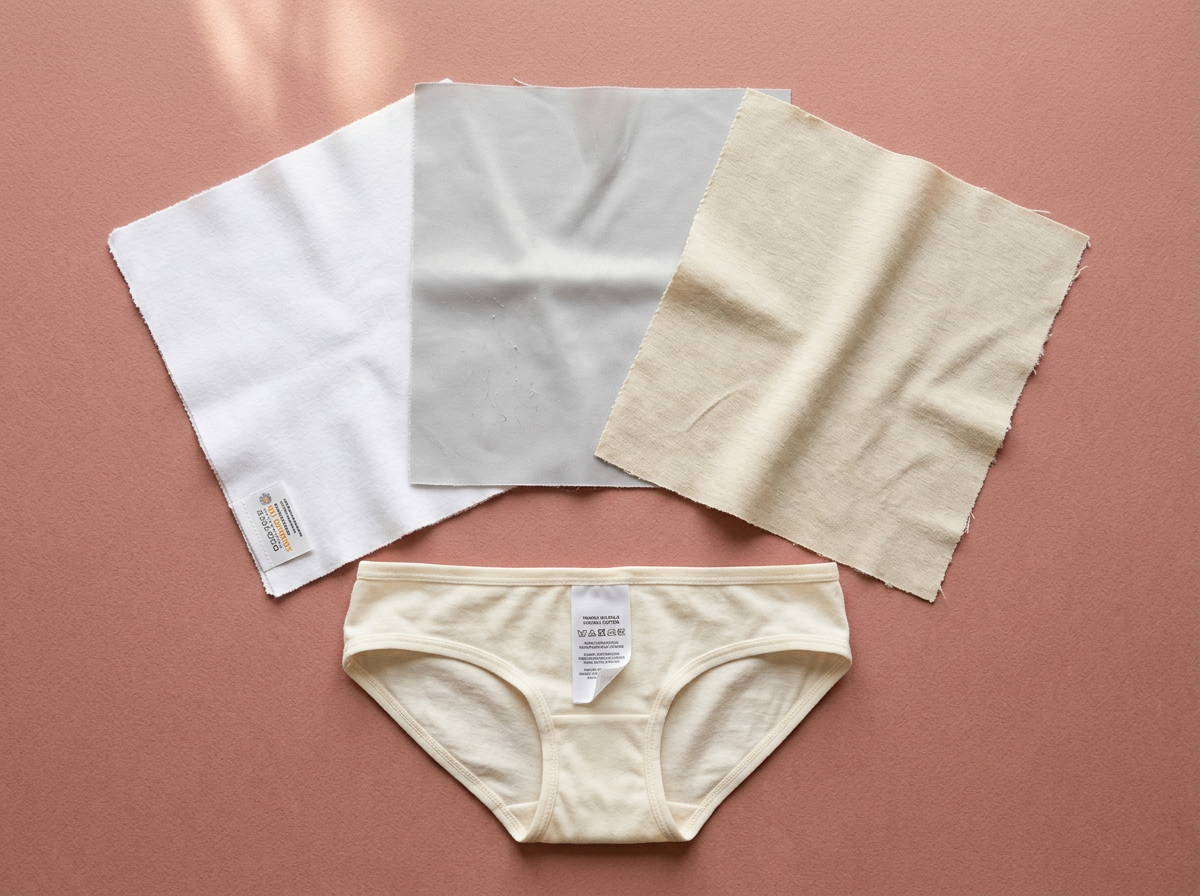
That recurring rash below your waistline. The itch that will not go away. The red marks where your underwear elastic sits. "Underwear rash" and "underwear irritation" searches have grown steadily as consumers discover their underwear may be the hidden cause of skin problems. We analyzed the four fabric-skin interaction mechanisms — bacterial microclimate, chemical contact dermatitis, pressure dermatitis, and antibacterial treatment sensitivity — with test data across 30+ brands.
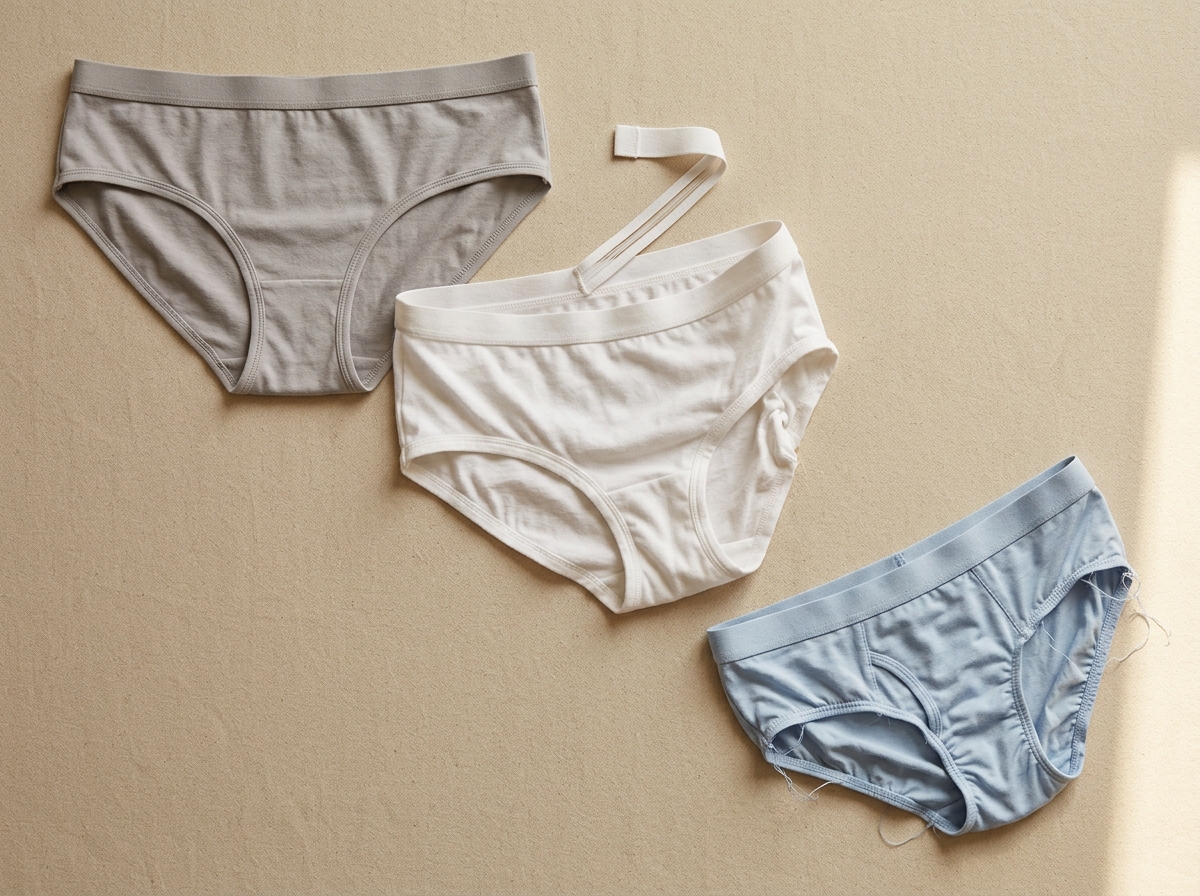
You adjust your underwear five times before lunch. The waistband rolls, the legs ride up, and everything bunches in the wrong places. "Why does my underwear keep riding up" is one of the most searched underwear complaints globally. We break down the four scientific causes — elastic recovery degradation, rise-torso mismatch, leg opening geometry, and fabric stretch ratio — and provide body-type-specific solutions based on testing across 30+ brands.
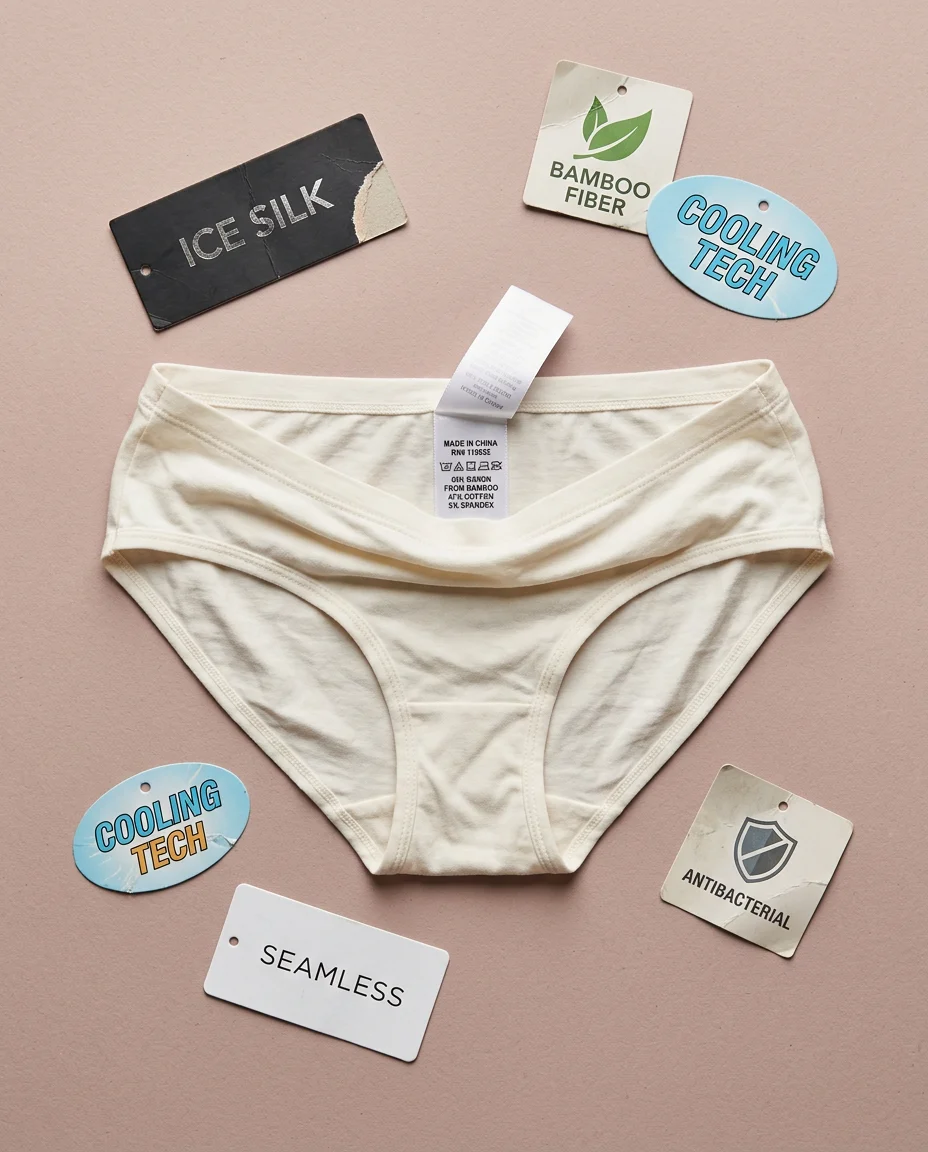
Your underwear label says "ice silk," "bamboo fiber," "seamless," "cooling technology," and "antibacterial." Three of those five terms do not mean what you think they mean. We deconstructed each marketing claim against published fiber science data and found a consistent pattern: the most expensive-sounding terms describe the cheapest materials.