Fabric Science2026-04-0712 min read
Does Heated Underwear Really Work? Graphene & FIR Tech Explained
Paul PengFactory Technology Director
Part of the The Fiber Lab series
Part of the The Fiber Lab series
"Does heated underwear really work?" — this question drove a +2,150% surge in search volume. The short answer: yes, but the technology matters enormously. Active graphene heating reaches 35-60°C in 30-40 seconds. Passive far-infrared provides 1-3°C warming without batteries. The right choice depends entirely on your scenario.
The global graphene-enhanced textile market stands at $289.4 million (2025) and is projected to reach $1.023 billion by 2034. This is not a gimmick — it is a material science shift entering the underwear category. But consumers need to understand what they are actually buying, because "heated underwear" means three very different things.
Mechanism: Joule Heating via Graphene Film
Graphene or carbon nanotube conductive films are embedded between fabric layers (typically in the back, waist, or abdomen zones). When connected to a 5V lithium battery, electrical current passes through the graphene layer, which converts it to heat via the Joule effect.
Technical advantage: Rapid, adjustable, strong warmth with large coverage area.
Battery System
Most active heated underwear uses 5,000-10,000 mAh lithium batteries at 5V low voltage. Battery placement varies — waist belt packs, pocket inserts, or integrated waistband batteries.
Limitations
Far-infrared ceramic microparticles — primarily zirconia (ZrO₂), zirconium carbide (ZrC), and tourmaline — are blended into fiber during the spinning process. The fabric absorbs body heat and re-radiates it back to the skin in the 4-14μm far-infrared wavelength band.
Technical advantages:
Technical limitations:
A systematic review published by Hong Kong Polytechnic University confirms that far-infrared garments provide measurable thermoregulatory benefits, particularly for exercise recovery and cold exposure scenarios. Thermal underwear incorporating FIR technology can extend safe cold exposure time by approximately 24%.
The newest category uses graphene nanoplatelets or graphene oxide integrated into the fiber matrix or applied as a fabric coating. Unlike active heating, no electricity is involved — instead, graphene's extraordinary thermal conductivity (~5,000 W/mK for pristine graphene) accelerates heat distribution across the fabric surface.
All active heated underwear sold in the US must comply with CPSC (Consumer Product Safety Commission) standards and ideally carry UL certification for the battery system. FDA classifies heated garments under "general wellness" guidance — considered low-risk unless medical claims are made. Always check for UL or CE marking on the battery pack.
Far-infrared radiation in the4-14μm wavelength band has been studied for its effect on local blood circulation. Peer-reviewed research published in PMC found that FIR garments can promote peripheral vasodilation, which may provide subjective comfort during menstrual discomfort.
However, this is an important distinction:
Heated underwear is not a medical device. The FDA's general wellness guidance covers products that promote comfort through thermal management, but any product claiming to "treat," "cure," or "relieve" menstrual cramps would be classified as a medical device requiring FDA clearance. The FTC has issued warning letters to companies making unsubstantiated health claims about far-infrared products. Consumers should approach "menstrual relief" marketing with healthy skepticism.
For women participating in winter outdoor activities — skiing, hiking, cold-weather running — heated underwear offers practical benefits beyond comfort:
For a deeper understanding of how base layer fabric systems work with heated technology, see our moisture management science guide — heated underwear only works well when the base layer also manages moisture effectively.
For a B2B perspective on men's heated underwear technology, see our men's functional underwear technical guide. For sensitive skin concerns, our organic cotton underwear benefits analysis covers the safest base layer materials to pair with heated technology.
Heated underwear does work — the question is which technology matches your needs:
The graphene textile market's projected growth from $289M to over $1B by 2034 signals that this technology category is maturing rapidly. As battery technology improves (solid-state batteries, flexible batteries) and graphene production costs decrease, expect the performance gap between active and passive solutions to narrow.
Data Sources: This article references peer-reviewed research published on PMC/NIH (far-infrared garment performance studies), Hong Kong Polytechnic University systematic review on e-textile heating effectiveness, FDA General Wellness Guidance for Low Risk Devices, FTC enforcement records on far-infrared product claims, CPSC/UL battery safety standards, and graphene textile market analysis reports.
Deep dive into fabric composition, properties, and performance at the microscopic level
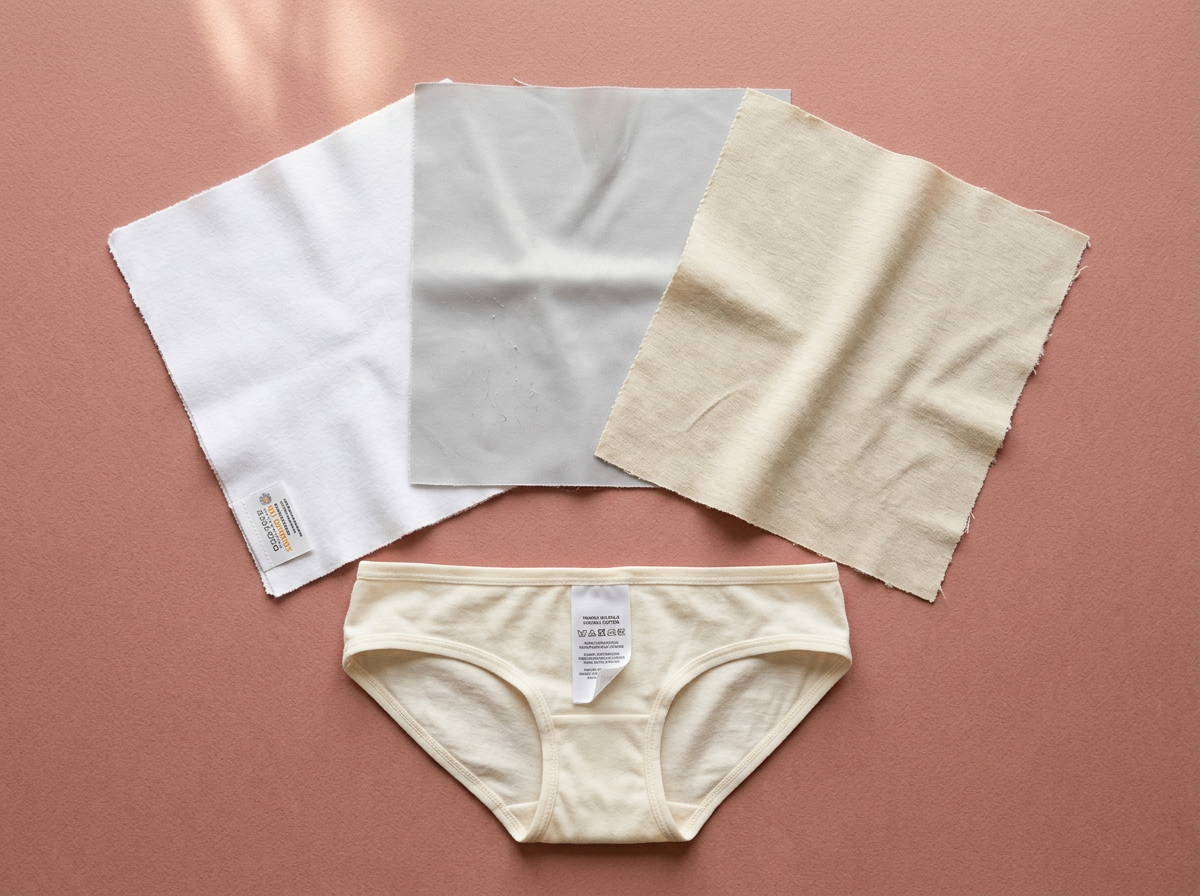
That recurring rash below your waistline. The itch that will not go away. The red marks where your underwear elastic sits. "Underwear rash" and "underwear irritation" searches have grown steadily as consumers discover their underwear may be the hidden cause of skin problems. We analyzed the four fabric-skin interaction mechanisms — bacterial microclimate, chemical contact dermatitis, pressure dermatitis, and antibacterial treatment sensitivity — with test data across 30+ brands.
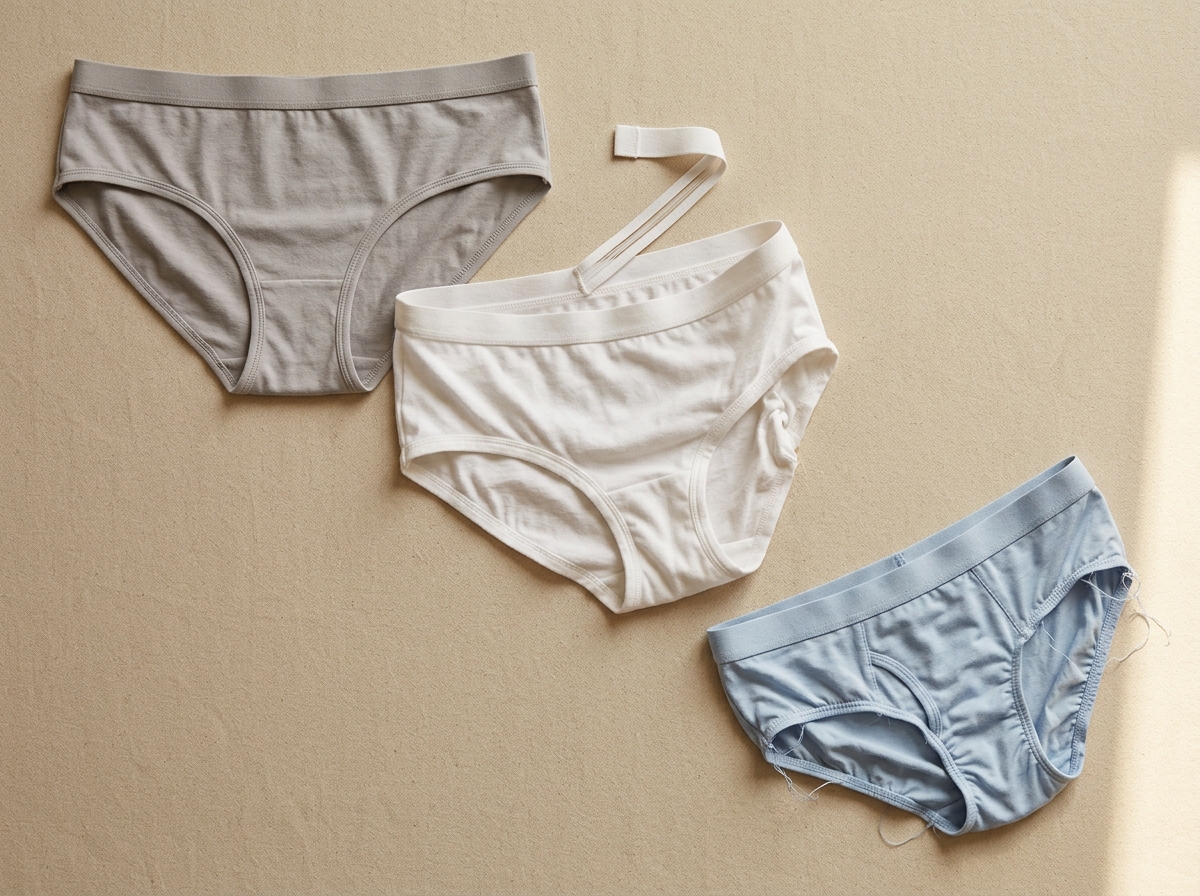
You adjust your underwear five times before lunch. The waistband rolls, the legs ride up, and everything bunches in the wrong places. "Why does my underwear keep riding up" is one of the most searched underwear complaints globally. We break down the four scientific causes — elastic recovery degradation, rise-torso mismatch, leg opening geometry, and fabric stretch ratio — and provide body-type-specific solutions based on testing across 30+ brands.
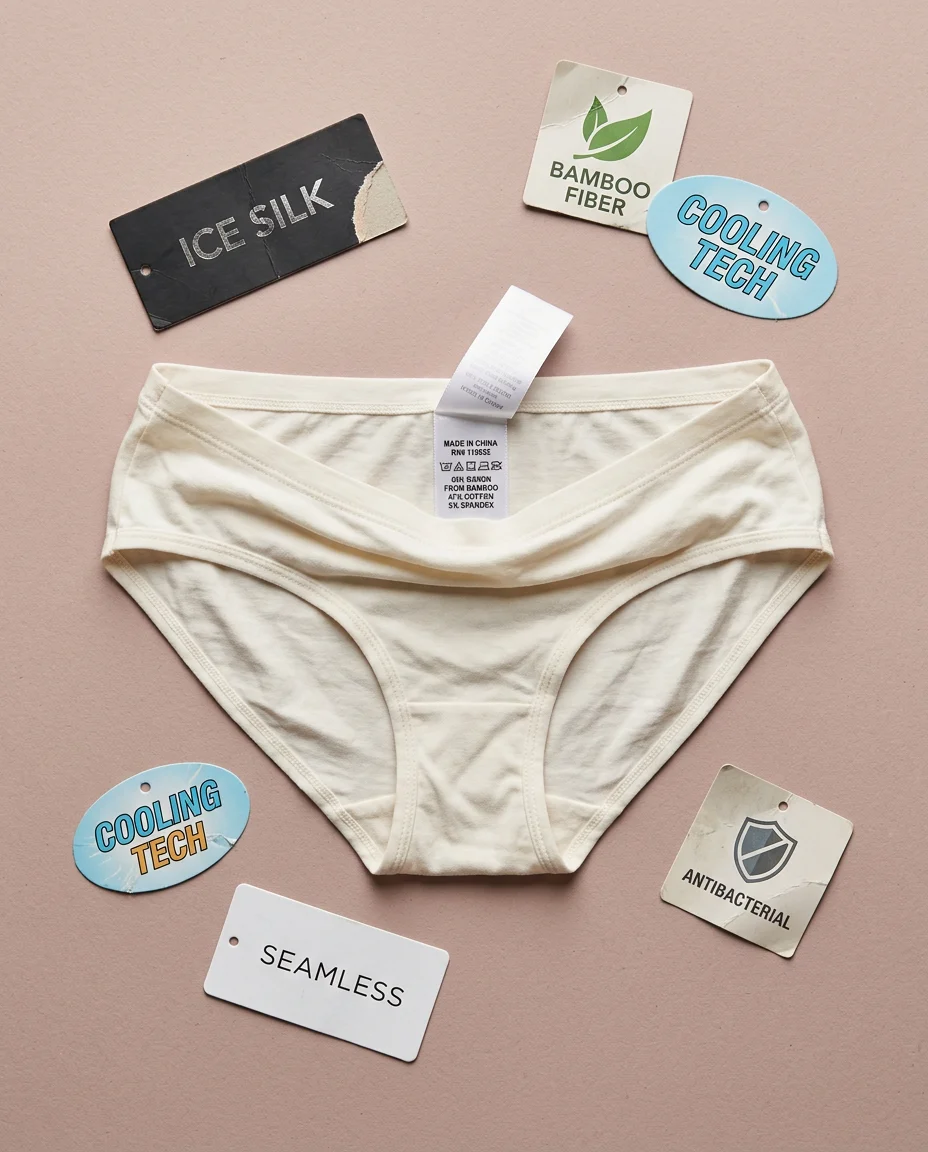
Your underwear label says "ice silk," "bamboo fiber," "seamless," "cooling technology," and "antibacterial." Three of those five terms do not mean what you think they mean. We deconstructed each marketing claim against published fiber science data and found a consistent pattern: the most expensive-sounding terms describe the cheapest materials.