Fabric Science2026-03-289 min read
Organic Cotton vs Conventional Cotton: What Underwear Brands Need to Know
Paul PengFactory Technology Director
Part of the The Fiber Lab series
Part of the The Fiber Lab series
In the first quarter of 2026, one search term caught our attention at Aura Touch Global: "organic cotton vs cotton" surged over 250% in global search volume. Consumers aren't just browsing—they're actively researching, comparing, and making purchasing decisions. For underwear brands, this isn't a trend to watch from the sidelines. It's a sourcing decision that affects your product quality, brand positioning, and bottom line.
As a GOTS-certified organic cotton underwear manufacturer based in Zhongshan, China, we've worked with both conventional and organic cotton across hundreds of OEM/ODM projects. Here's what the data actually says—and what it means for your brand.
For specific performance data on organic cotton in underwear, skin sensitivity findings, "fake organic" issues discovered in consumer testing, and a GOTS-certified sourcing checklist, see our Organic Cotton Underwear Benefits Guide.
Before we talk about fabric performance, you need to understand what happens before the cotton even reaches a spinning mill.
Seeds: Genetically modified (GMO), treated with fungicides and insecticides
Soil: Synthetic fertilizers to boost yield; soil health declines over time
Pest Control: Chemical pesticides (conventional cotton accounts for ~16% of global insecticide use)
Harvesting: Often machine-harvested with chemical defoliants to strip leaves before picking
Processing: Bleaching, formaldehyde-based resins, heavy metal dyes
Seeds: Non-GMO, untreated natural seeds
Soil: Crop rotation, composting, and natural nutrient cycling maintain soil health
Pest Control: Beneficial insects, trap crops, and natural bio-pesticides
Harvesting: Often hand-picked, preserving fiber length and purity
Processing: No toxic chemicals; only GOTS-approved dyes and finishing agents
The result? Organic cotton fibers tend to be longer, stronger, and cleaner because they haven't been weakened by chemical processing. For underwear—where fabric touches the most sensitive skin on the body—this difference is tangible.
Organic cotton fibers are typically longer-staple because hand-picking causes less damage. Longer fibers produce smoother yarns with fewer protruding ends. In practical terms: organic cotton feels softer from the first wear and gets even softer with washing, while conventional cotton can feel rougher over time as short fibers break and pill.
Because organic cotton fibers aren't degraded by chemical defoliants and bleach, they retain more of their natural tensile strength. Textile testing consistently shows that organic cotton fabric resists pilling and maintains structural integrity longer than conventionally processed equivalents. For brands, this means fewer customer complaints about fabric thinning or holes after a few washes.
This is where the difference matters most for underwear. Conventional cotton retains trace amounts of:
For customers with sensitive skin, eczema, or allergies, these residues can cause contact dermatitis, itching, and irritation in intimate areas. GOTS-certified organic cotton eliminates these irritants entirely—no synthetic chemicals at any stage of production.
The Global Organic Textile Standard (GOTS) is the world's leading processing standard for organic fibers. It requires:
When you see "GOTS certified" on underwear, it means the entire supply chain—from farm to finished garment—has been audited and verified.
Brand owners increasingly need environmental data for marketing, ESG reporting, and regulatory compliance. Here are the verified statistics:
Source: Textile Exchange Organic Cotton Market Report; GOTS certification standards; Cotton Incorporated research.
These aren't marketing claims—they're measurable, audited data points that your brand can cite in product descriptions, sustainability reports, and marketing materials.
Let's address the question every brand owner asks: how much more does organic cotton cost?
| Cost Factor | Conventional Cotton | GOTS-Certified Organic Cotton |
|---|---|---|
| Raw fiber price | $2.0-2.5/kg | $3.0-4.0/kg (+50-60%) |
| Certification costs | None | $0.10-0.20/kg (GOTS fees) |
| Spinning & weaving | Standard rates | +5-10% (segregated processing) |
| Dyeing & finishing | Standard rates | +10-15% (GOTS-approved dyes) |
| Total fabric cost | $3.5-5.0/kg | $5.5-7.5/kg |
At the garment level for underwear, the organic cotton premium typically adds $0.30-0.60 per piece.
Additional cost of organic cotton: ~$300-600 per 1,000 pieces
Potential returns:
Net impact: The organic premium is typically recovered within the first 100 units sold through higher pricing alone—not counting the long-term brand equity gains.
Underwear is different from other garments. It's the closest layer to the body, covering the most sensitive and heat-prone areas. Here's why organic cotton's advantages are amplified in underwear:
As an OEM/ODM underwear manufacturer in the Pearl River Delta, we've integrated GOTS-certified organic cotton into our production capabilities:
When sourcing organic cotton underwear, always ask your manufacturer for the GOTS transaction certificate (TC)—not just the supplier's scope certificate. The TC proves that the specific fabric batch used in your order is genuinely certified organic. Any manufacturer serious about organic cotton should provide this without hesitation.
Our recommendation for 2026: The search data is unambiguous. Consumer demand for organic cotton underwear is accelerating. Brands that position themselves with GOTS-certified organic cotton now will capture growing demand while competitors are still deciding.
Whether you're launching a new organic cotton underwear line or converting an existing product range, we're ready to help. As a specialized OEM/ODM underwear manufacturer with GOTS-certified organic cotton capabilities, we offer:
Start your organic cotton underwear project:
Contact Us to Start Your Organic Cotton Project
Sources: Google Trends global search data (Q1 2026); Textile Exchange Organic Cotton Market Report; Global Organic Textile Standard (GOTS) certification requirements; Cotton Incorporated research on organic vs conventional cotton production; SGS/Intertek textile testing standards.
Deep dive into fabric composition, properties, and performance at the microscopic level
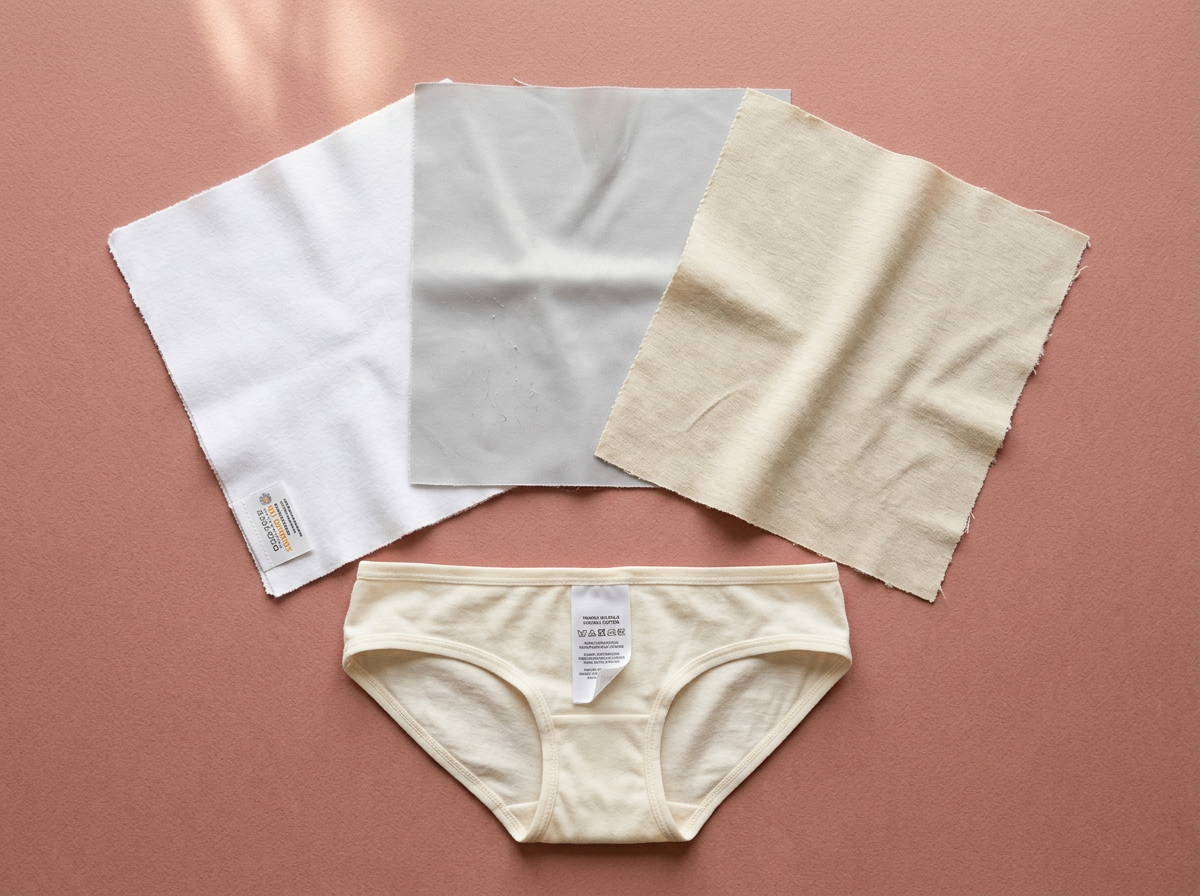
That recurring rash below your waistline. The itch that will not go away. The red marks where your underwear elastic sits. "Underwear rash" and "underwear irritation" searches have grown steadily as consumers discover their underwear may be the hidden cause of skin problems. We analyzed the four fabric-skin interaction mechanisms — bacterial microclimate, chemical contact dermatitis, pressure dermatitis, and antibacterial treatment sensitivity — with test data across 30+ brands.
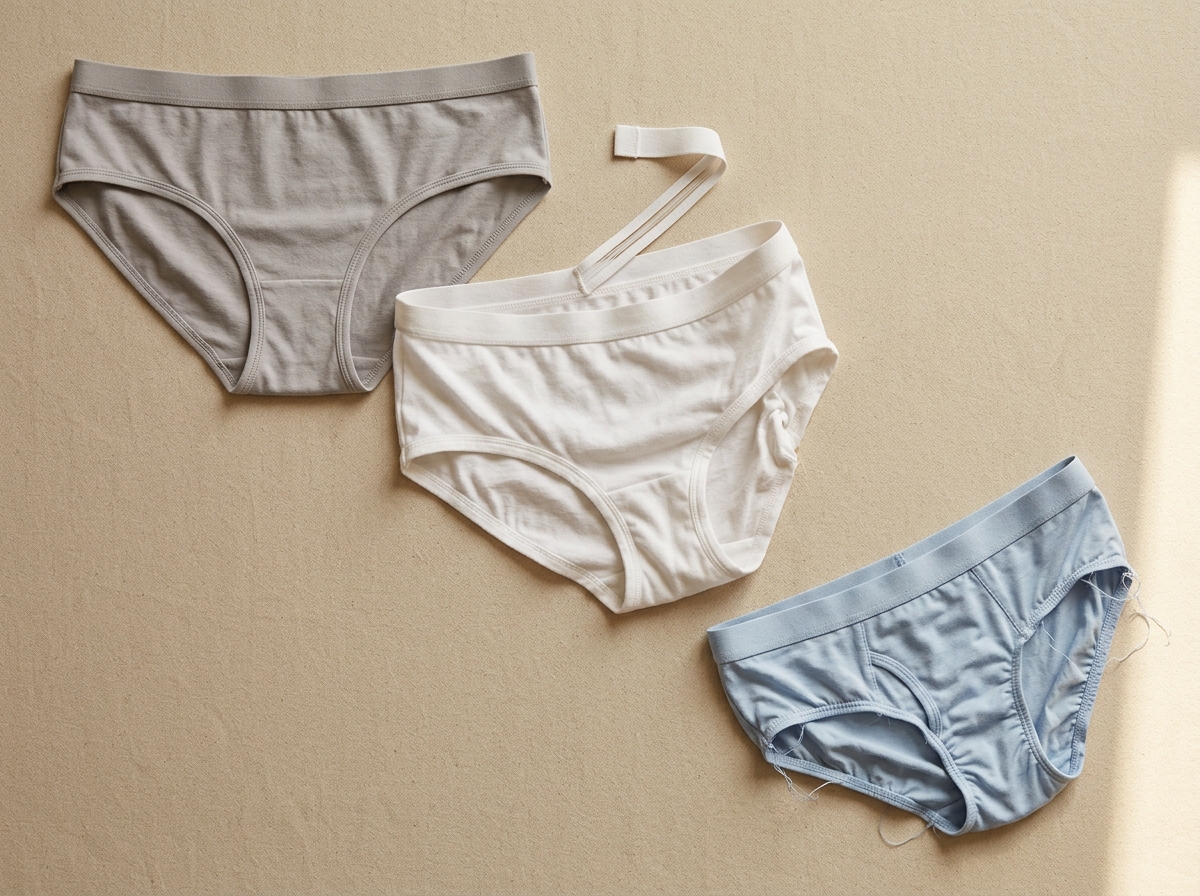
You adjust your underwear five times before lunch. The waistband rolls, the legs ride up, and everything bunches in the wrong places. "Why does my underwear keep riding up" is one of the most searched underwear complaints globally. We break down the four scientific causes — elastic recovery degradation, rise-torso mismatch, leg opening geometry, and fabric stretch ratio — and provide body-type-specific solutions based on testing across 30+ brands.
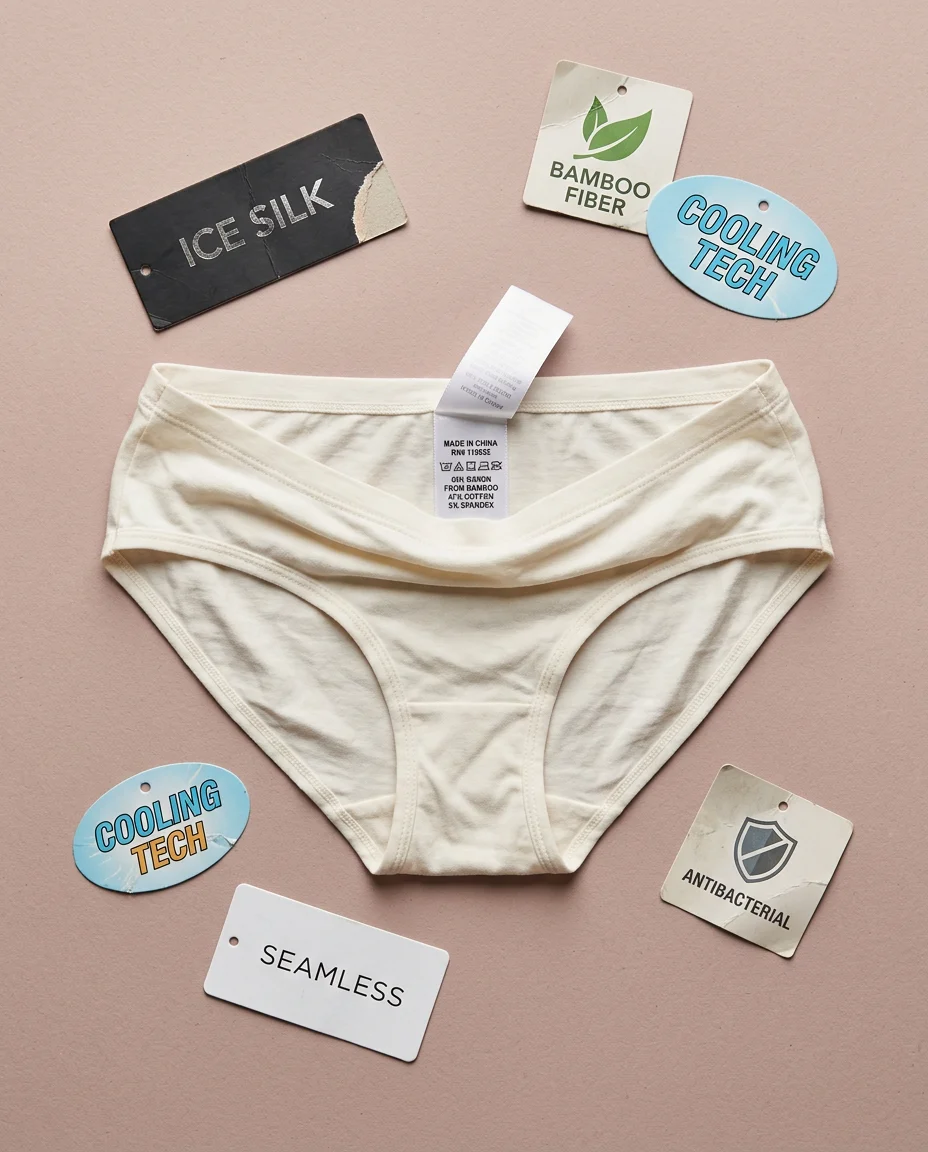
Your underwear label says "ice silk," "bamboo fiber," "seamless," "cooling technology," and "antibacterial." Three of those five terms do not mean what you think they mean. We deconstructed each marketing claim against published fiber science data and found a consistent pattern: the most expensive-sounding terms describe the cheapest materials.